

 Login
Login
Dismissal is ordinarily justified where the misconduct is of such gravity that continuance of the employee would be wholly incompatible with discipline, trust or institutional functioning. – Supreme Court
Saturday, October 17, 2026
Dismissal is ordinarily justified where the misconduct is of such gravity that continuance of the employee would be wholly incompatible with discipline, trust or institutional functioning. – Supreme Court

The Department for Promotion of Industry and Internal Trade (DPIIT), in collaboration with the Open Network for Digital Commerce (ONDC), convened a CPG Roundtable – Bharat Commerce Chintan Shivir on 12 June 2026. The roundtable brought together leaders from leading consumer goods companies, distributor networks, technology providers and logistics partners to discuss the digital transformation of India’s General Trade ecosystem.
India’s General Trade ecosystem, comprising over 1.4 crore kirana stores, accounts for nearly 75–80 per cent of FMCG sales. However, much of the channel continues to operate through fragmented ordering systems, limited inventory visibility and manual sales processes, resulting in inefficiencies for retailers, distributors and brands.
The discussions focused on DigiDukaan, ONDC’s initiative aimed at digitising kirana stores for B2B procurement. Designed to improve efficiency across the value chain, DigiDukaan enables kirana stores to improve margins through direct procurement by offering better visibility of schemes, improved fill rates and enhanced working capital management. For distributors, the initiative facilitates wider market reach without additional field costs through order and collection digitisation, while improving retailer coverage. For brands, it provides direct access to retailer demand signals, retail counters, and more effective deployment and tracking of schemes.
DigiDukaan has already gained early traction in Hyderabad, where more than 10,000 retailers and over 35 brands have been onboarded through Qwipo. Following Hyderabad, DigiDukaan is scheduled to launch in Jaipur on 19 June 2026 through Salescode, with expansion planned across Mumbai, Bengaluru and Delhi-NCR in the coming months.
Industry leaders discussed key challenges facing the General Trade ecosystem, including fragmented retailer engagement, rising sales-force costs, inventory inefficiencies, limited visibility into secondary sales and increasing competition from digital-first retail models. Participants also explored how open digital infrastructure can improve retailer access, distributor productivity, demand planning and scheme effectiveness across the FMCG value chain.
The roundtable provided a platform for stakeholders to share recommendations on distributor digitisation, catalogue standardisation, retailer onboarding and technology integration. Participating companies were also invited to collaborate as founding partners in the next phase of DigiDukaan’s expansion.
The roundtable was chaired by Additional Secretary, DPIIT, Shri Ateesh Kumar Singh, and saw participation from companies including HUL, ITC, Coca-Cola, TCPL, CavinKare, Marico, Bikano, L’Oréal, Moon Beverages, Anmol Industries, Nestlé and Kirana King. The participating organisations expressed interest in engaging with and supporting the DigiDukaan initiative.
Ref.: MCM/ADM/11
The Director General
Bombay Chamber of Commerce and Industry
Mackinnon Mackenzie Building
3rd floor, 4, Shoorji Vallabhdas Road
Ballard Estate, Mumbai – 400 001
Dear Sir/Madam,
Invitation for Bids
Please see enclosed notices for invitation for bids from organizations in Mauritius.
Prospective bidders may be requested to regularly visit the website to take cognizance of any addendum and/or clarification(s) issued.
The Consulate would highly appreciate if you could kindly circulate the Notices among the members of your Organization.
Thank you for your understanding and cooperation.
Yours sincerely,
Mumbai: Industry leader Sunil Mathur, Managing Director & Chief Executive Officer, Siemens emphasised that India’s Micro, Small and Medium Enterprises (MSMEs) are poised to play a defining role in the country’s emergence as a global manufacturing and export powerhouse.
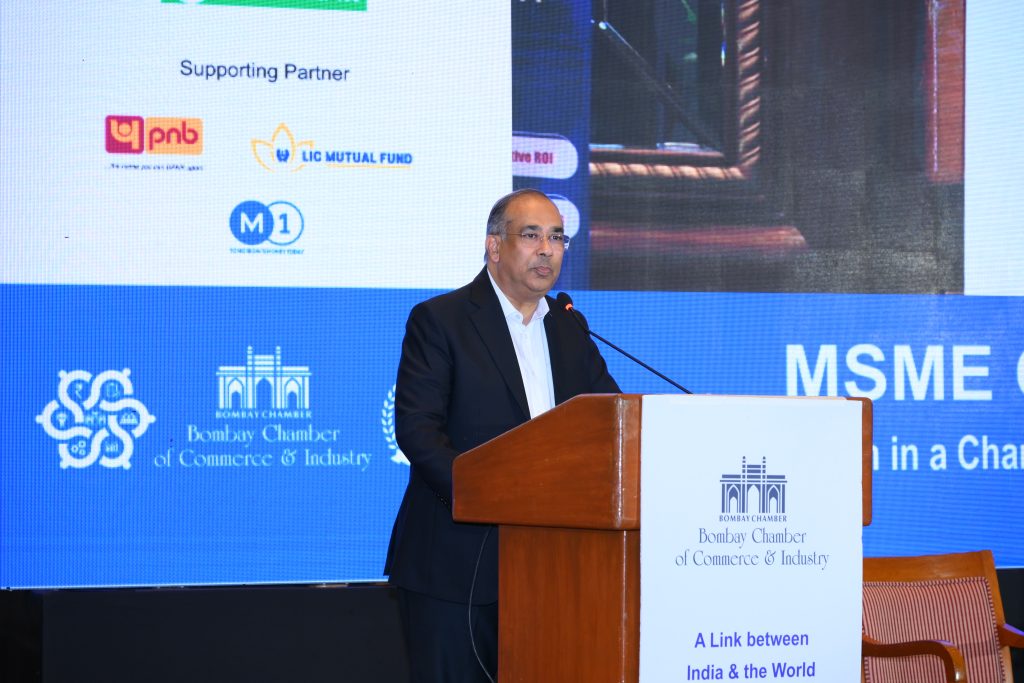
Addressing industry stakeholders, entrepreneurs, and policymakers at Bombay Chamber’s MSME Conclave 4.0, Mathur noted that India’s strong investments in energy, infrastructure, manufacturing, and technology are creating unprecedented opportunities for MSMEs to expand their presence in international markets.
“MSMEs contribute nearly 60 per cent of India’s exports and remain the backbone of our economy. Their growth, modernisation, and global competitiveness will be central to India’s economic progress in the coming decades,” said Mathur.
Highlighting India’s rapid infrastructure development, Mathur pointed out that more than 90 records have been broken in energy generation over the past decade. Over the coming decade, the country is projected to add generation capacity equivalent to two Germanys combined. “Reliable energy and modern infrastructure are critical enablers of industrial growth. These investments will help Indian businesses become more efficient, competitive, and globally connected,” he said.
Addressing the importance of productivity and efficiency, Mathur observed that advanced manufacturing operations in Europe and North America often achieve efficiency levels of around 99 percent, while many Indian operations currently operate at approximately 75 percent. “The gap can only be bridged through technology adoption,” he stated.
“Technology is not just an option—it is the answer. Businesses that embrace digitalisation, automation, artificial intelligence, and advanced manufacturing will be best positioned to compete globally,” he said.
Mathur also emphasised the need for stronger investments in research and development. “If India is to become a truly global manufacturing and innovation leader, greater focus on innovation and R&D is essential. Competitiveness today is driven not only by cost but by the ability to create value through innovation,” he remarked.
He called for sustained efforts to upskill employees and entrepreneurs in emerging technologies and advanced manufacturing practices.”The future belongs to organizations that can do more with less—more productivity, more quality, and more innovation through greater efficiency,” he said.
Concluding his address, Mathur urged Indian MSMEs to focus on five key priorities: Quality excellence, technology adoption, innovation, global market readiness, and continuous workforce development.
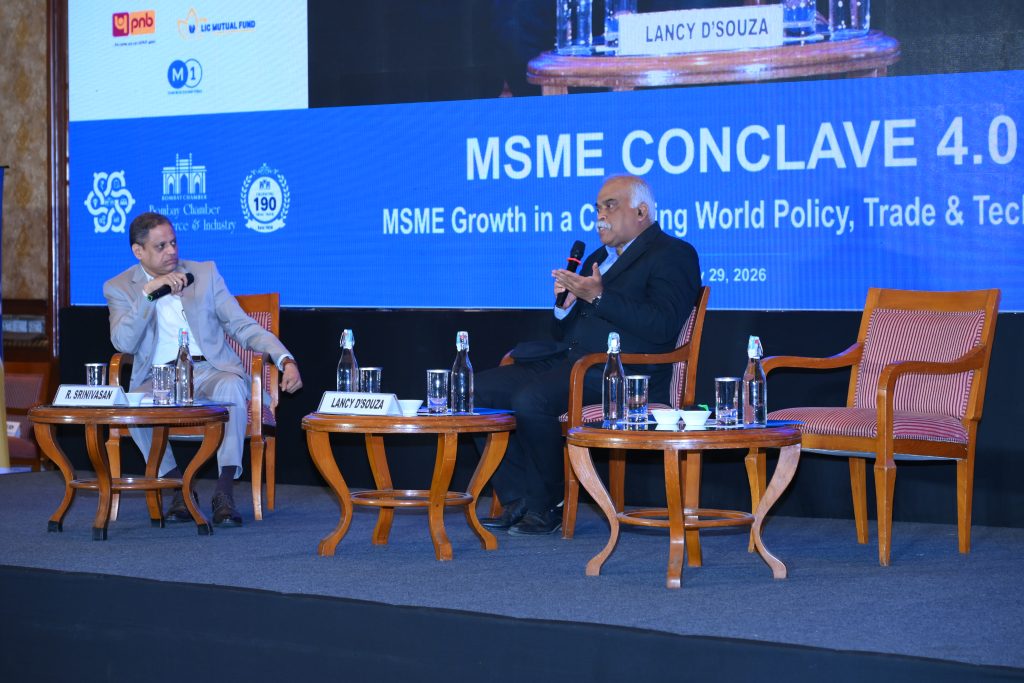
The Keynote was followed by a Fireside Chat on Evolving Labour Laws: MSME Perspective between R. Srinivasan, Co-Chairperson – MSME Forum, Bombay Chamber & Director, AIRA Consulting and Lancy D’Souza, Advocate & Legal Advisor, Bombay Chamber of Commerce & Industry.
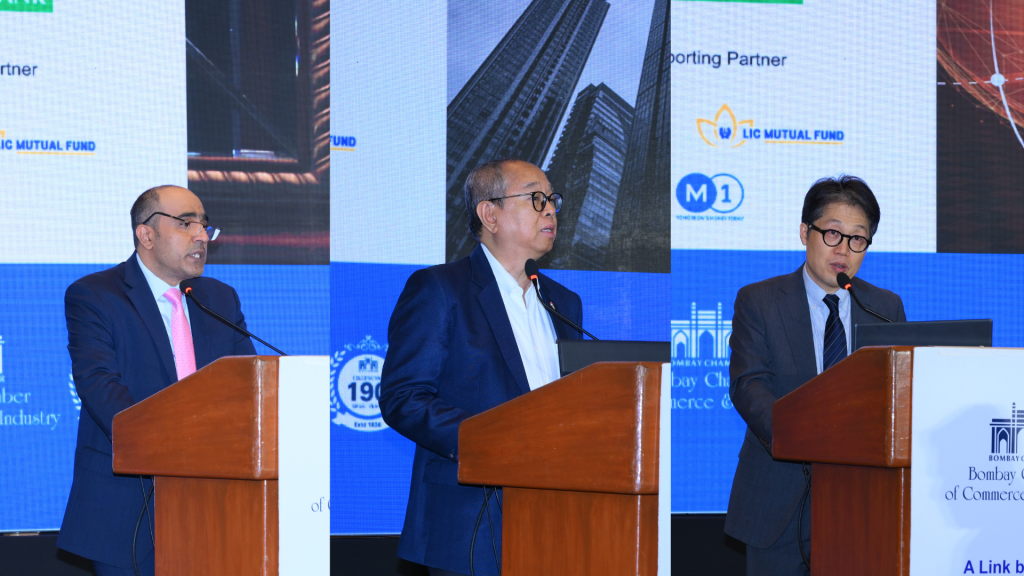
The session on Bilateral Trade Opportunities for MSMEs in the Evolving Global Landscape had presentations by Mahboob Issa Alraisi, Consul General, Consulate General of the Sultanate of Oman; H.E. Mr. Eddy Wardoyo, Consul General, Consulate General of The Republic of Indonesia and Junhan Kim, Director General, Korea Trade-Investment Promotion Agency.
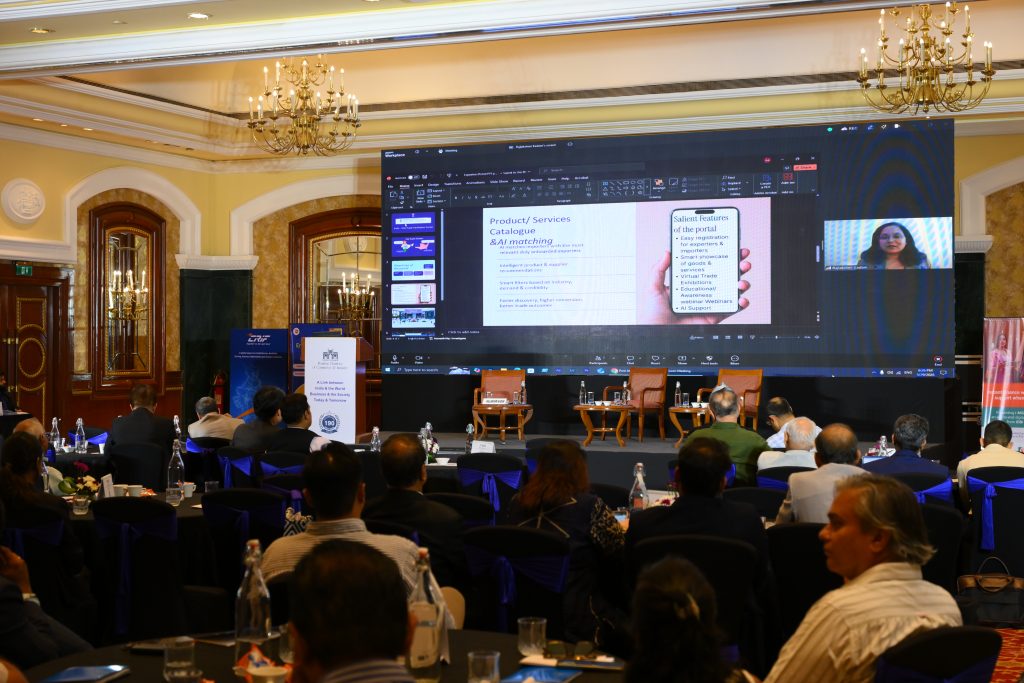
There was also a virtual session on India U.S. Trade Facilitation Portal by Rajlakshmi Kadam, Consul (Trade), Consulate General of India, New York.
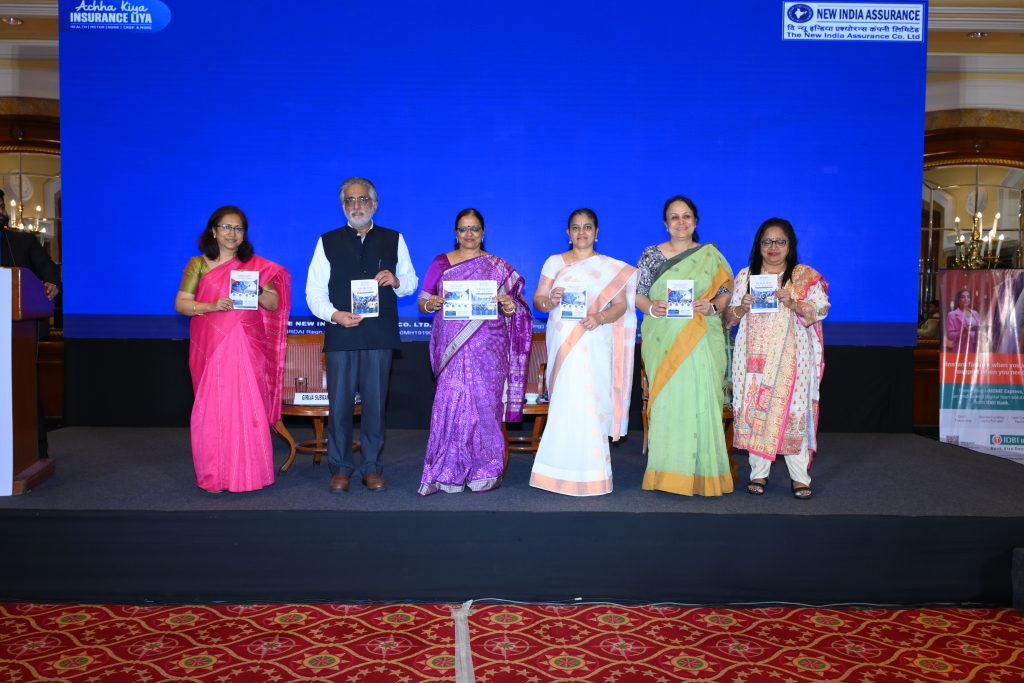
In her address, Girija Subramanian, Chairman-Cum-Managing Director, The New India Assurance Co. spoke about the new products her organisation was launching.
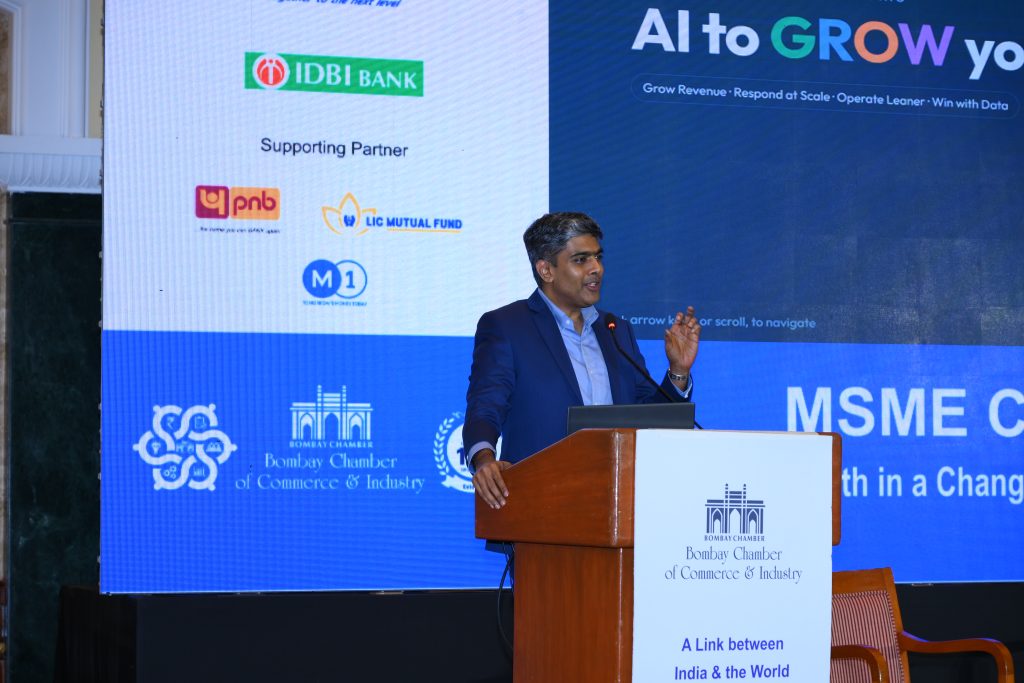
This was followed by sessions on Leveraging AI for MSME Growth presented by Harish Narayanan, CMO & CDO, HDFC Asset Management Company while the session on TReDS Portal: Bridging MSMEs and Banks for Seamless Trade was presented by Amit Sachdev, COO, M1xchange.
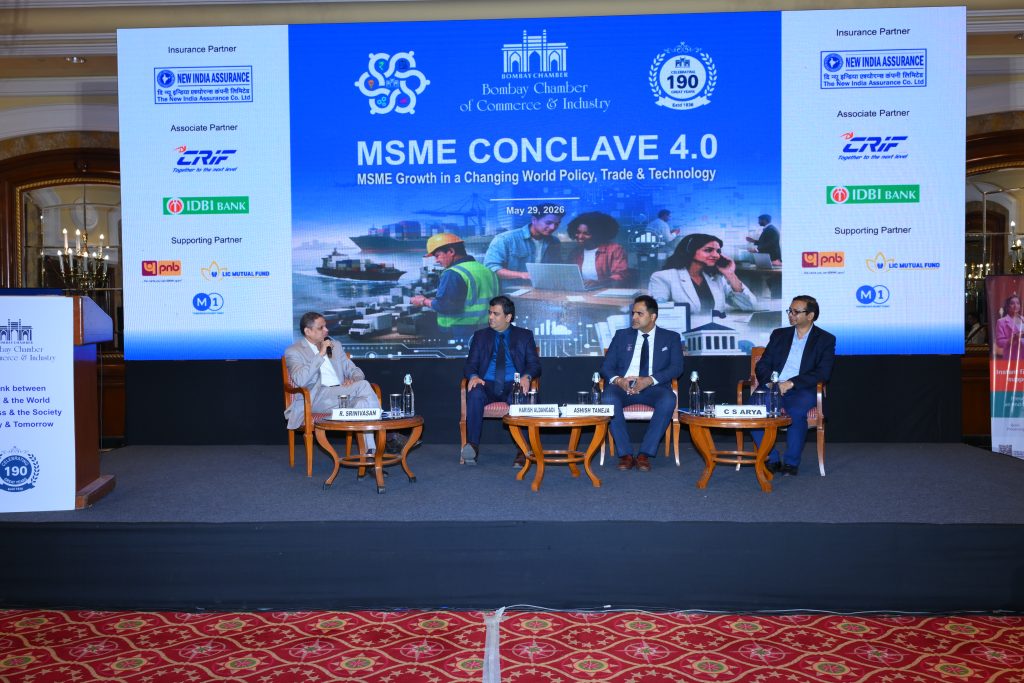
The panel discussion on The Changing World for MSME Finance was moderated by R. Srinivasan, Co-Chairperson – MSME Forum, Bombay Chamber & Director, AIRA Consulting and the panelists were Harish Aldangadi, Senior General Manager Retail Credit & SME, SVC Bank; C. S. Arya, General Manager – (MSME & eSCF), IDBI Bank and Ashish Taneja, Head – Commercial Business, CRIF High Mark Credit Information Services.
Bihar repeals Shops and Establishments (Regulation of Employment and Conditions of Service) Act, 2025
Notification attached
Mumbai, May 29, 2026: The Bombay Chamber of Commerce and Industry hosted the Insurance Summit 2026: Enhancing Insurance Penetration & Density in India in Mumbai, bringing together regulators, industry leaders, insurers, reinsurers, technology experts and policymakers to discuss the future of India’s insurance sector and the collective journey towards the vision of Insurance for All by 2047.
Delivering the keynote address on “The Regulator’s Vision for Insurance 2030,” Shri Swaminathan Iyer, Member-Life, IRDAI, emphasized that Insurance for All 2047 is not merely a regulatory ambition but an industry-wide mission to ensure that every citizen has access to appropriate life, health and property insurance cover while every enterprise is supported by adequate risk protection.
Underscoring the need to move beyond traditional penetration metrics, Shri Iyer called for greater focus on meaningful coverage, policy persistency, customer outcomes and trust. He outlined the Five As that will be critical to achieving the vision—Awareness, Accessibility, Affordability, Assurance and Accountability. He stressed the need for simpler products, greater transparency, improved customer engagement and a policyholder-first approach across product design, distribution, servicing and claims management.
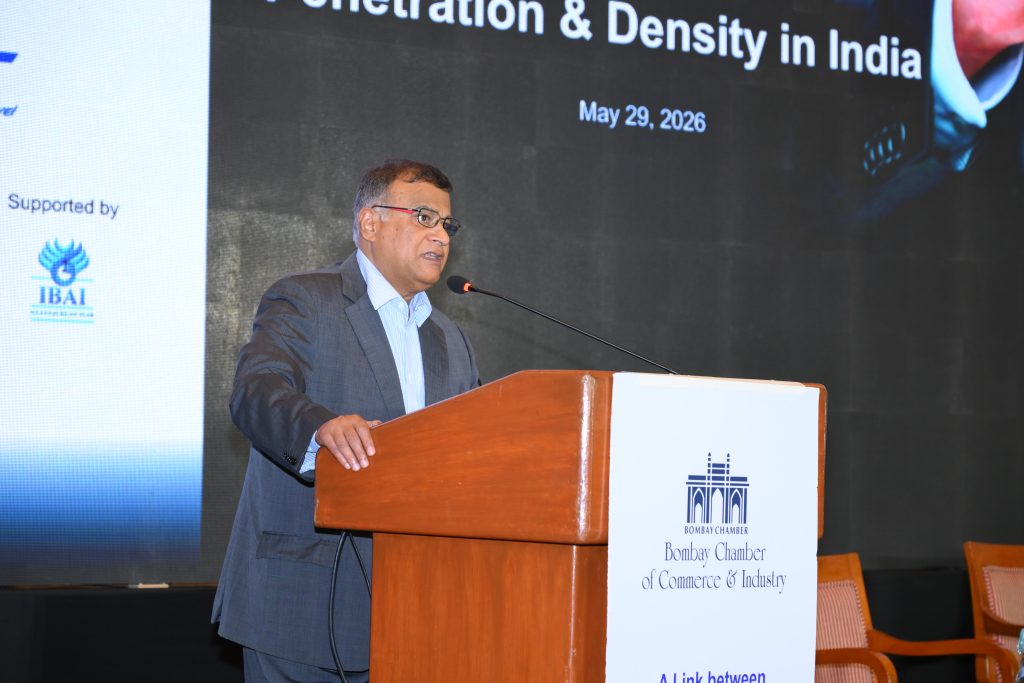
Earlier, welcoming delegates, Praveen Vashishta, Member, BFSI Committee, Bombay Chamber and Former Co-founder, Howden Insurance Brokers India & Chairman Howden Asia, highlighted the significant protection gaps that continue to exist in India. He noted that nearly half of India’s population remains outside the health insurance net, while almost 93% of the country’s exposure to natural catastrophes remains uninsured. Describing the protection gap as a national priority, he emphasized the critical role of technology, product innovation and reinsurance in expanding insurance penetration and strengthening financial resilience.
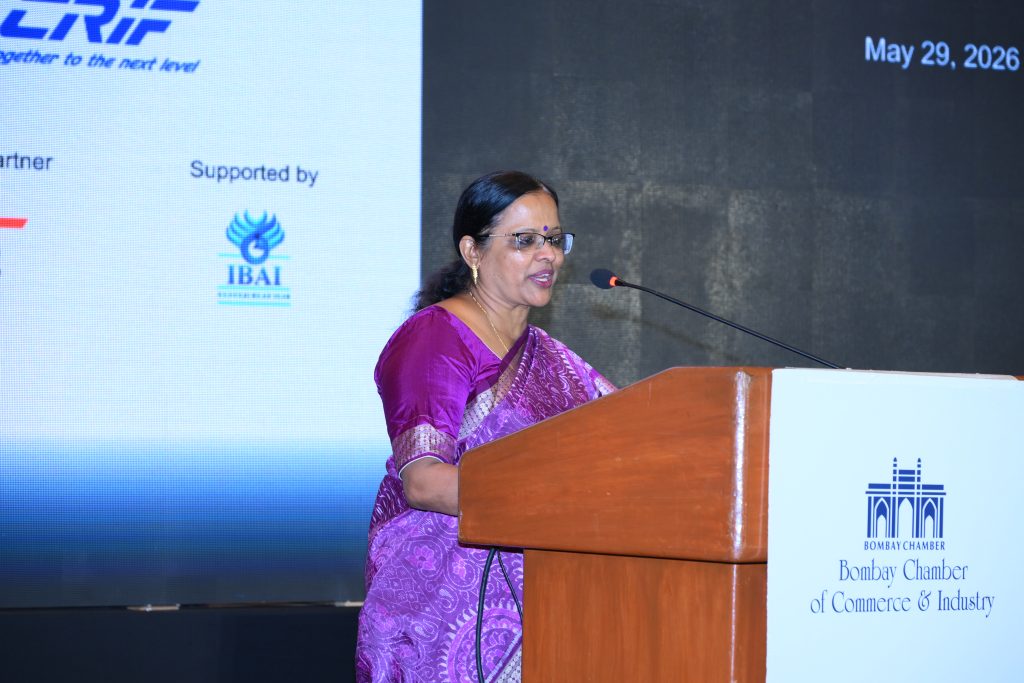
In her special address, Girija Subramanian, Chairman-cum-Managing Director, New India Assurance and Board Member, Bombay Chamber, called for a shift from reactive disaster funding to proactive risk-transfer mechanisms. She highlighted the need for innovative solutions such as national catastrophe pools, cyber insurance, parametric insurance, infrastructure and surety bonds, and emerging liability covers to build resilience against evolving economic, climate and digital risks.
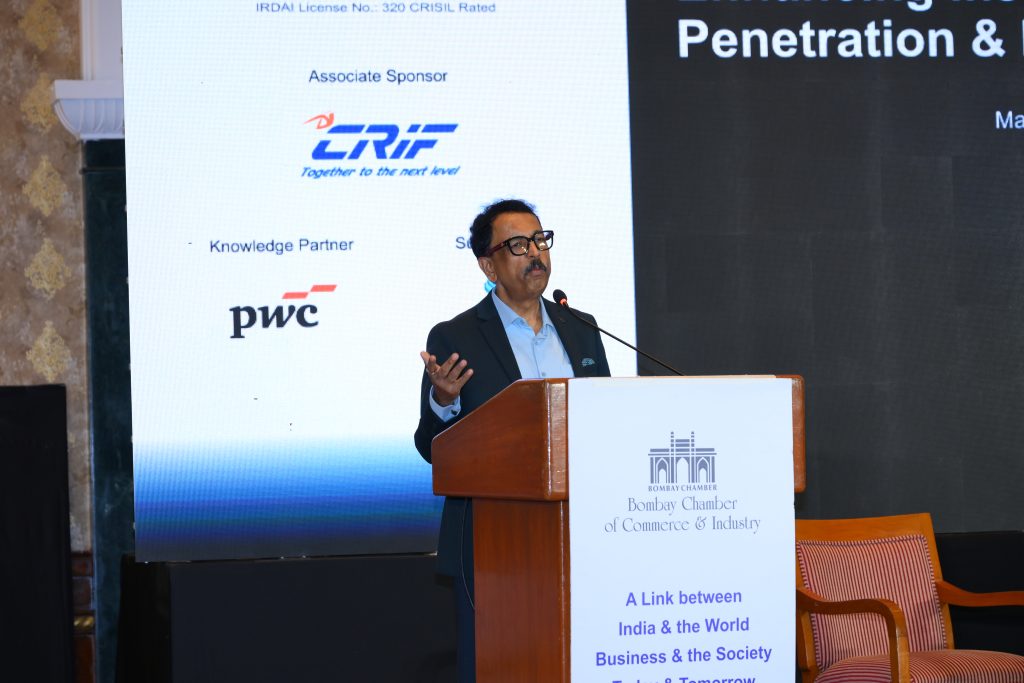
Delivering the Strategic Insights Address, Amit Roy, Partner and Leader – Insurance & Allied Businesses, PwC India, highlighted the significant progress made by the Indian insurance industry in expanding access, supporting financial inclusion and strengthening customer protection. He called for greater trust across the insurance ecosystem, enhanced public awareness of insurance, and stronger recognition of the industry’s contribution to economic development, employment generation and social security.
The summit featured three high-impact panel discussions that explored the opportunities and challenges shaping the future of the insurance sector.
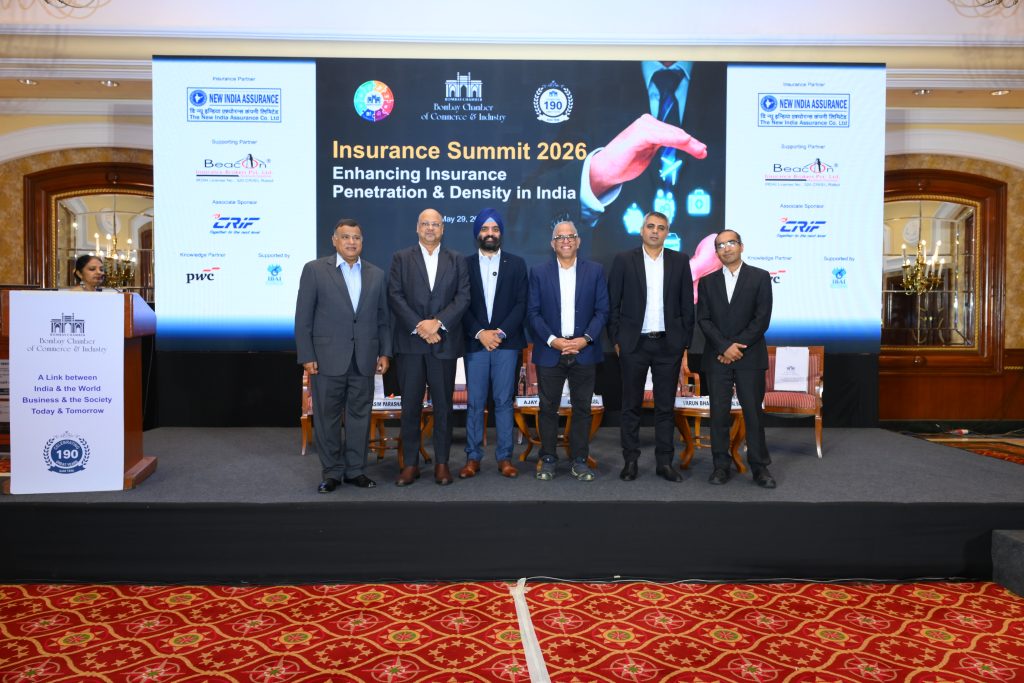
The first panel discussion, “Reimagining the Insurance Industry with Data / AI / ML,” moderated by Asim Parashar, Partner, PwC, brought together Ajay Pal Singh Sethi, Co-founder, Darwix AI; Gopal Balachandran, CFO & Appointed Actuary, ICICI Lombard General Insurance; Abhijeet Gulanikar, Chief Strategy Officer, SBI Life; and Varun Bhalla, Director – Sales, CRIF. The panel examined how Artificial Intelligence, Machine Learning and Generative AI are transforming the insurance value chain through smarter underwriting, enhanced fraud detection, faster claims processing and more personalized customer engagement. The discussion also explored the emergence of Agentic AI, the importance of data quality and governance, cybersecurity considerations, and the need to balance innovation with regulatory responsibility and customer trust. Panellists agreed that AI’s greatest impact will be in improving customer experience, operational efficiency and insurance accessibility at scale.
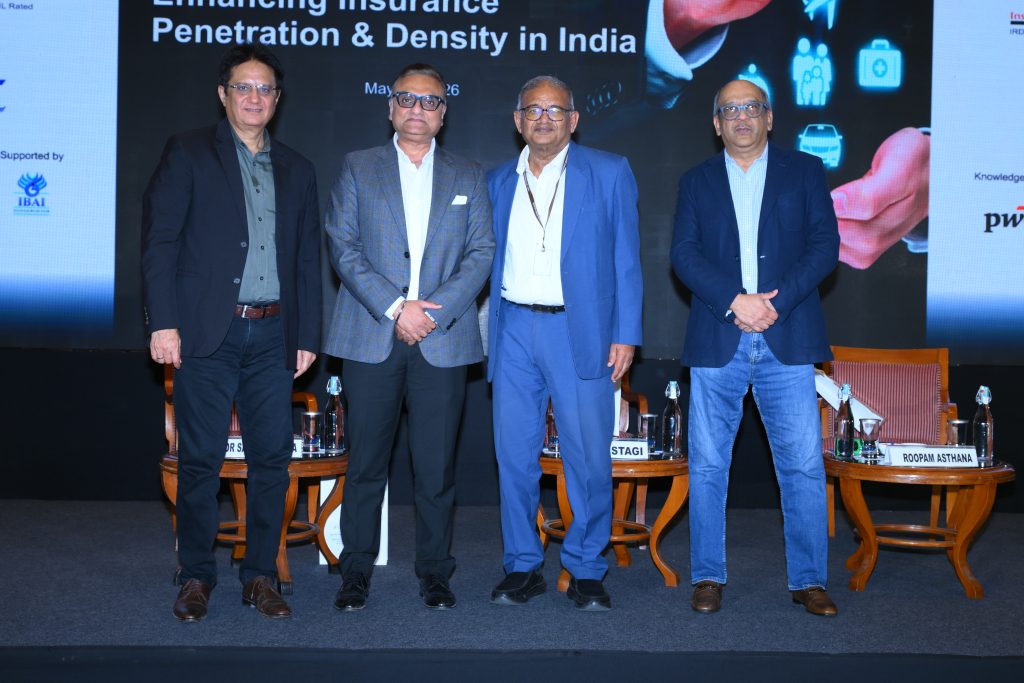
The second panel discussion, “Product Innovation in Insurance,” moderated by Dr. Sandeep Dadia, Co-chair, Insurance Committee, Bombay Chamber and Mentor, Alwrite, featured S.K. Rustagi, Managing Director, Beacon Insurance Brokers Ltd., and Roopam Asthana, CEO & Executive Director, IndusInd Capital Ltd. The panel explored how innovation in insurance products can help bridge India’s protection gaps and improve customer adoption. Discussions focused on opportunities across health, property, liability, marine and personal lines insurance, the need for simpler and more relevant products, the role of technology platforms in accelerating product development, and the increasing importance of customised solutions tailored to emerging customer and industry requirements. The panellists also highlighted the enabling role of regulators in fostering innovation while ensuring customer protection.
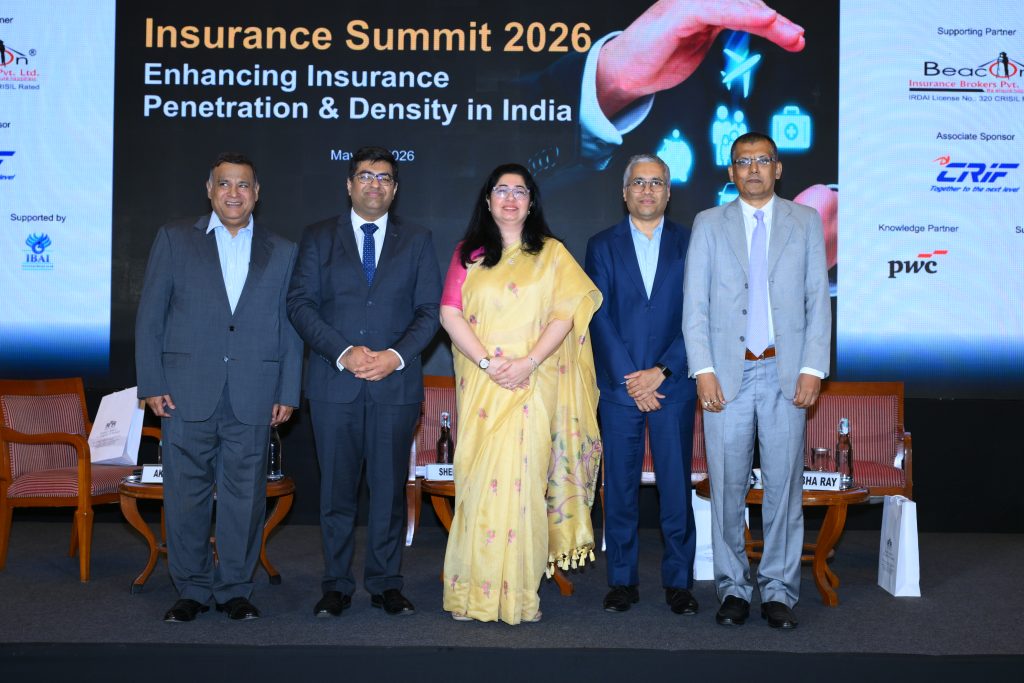
The final panel discussion, “Changing Reinsurance Landscape,” moderated by Akshay Ganatra, Associate Partner, Price Waterhouse & Co LLP, brought together Shefali Sehwani, CEO & Country Manager, Lloyd’s India; Mangesh Patankar, Regional Head – Agriculture, Munich Re; and Amitabha Ray, CEO, Swiss Reinsurance India Branch. The discussion examined how climate change, specialty risks, regulatory developments and global capital flows are reshaping the reinsurance market. Panellists highlighted growing opportunities in cyber, agriculture, infrastructure, energy and catastrophe risk coverage, while discussing the increasing relevance of parametric insurance solutions, sovereign risk-transfer mechanisms and innovative reinsurance structures. The conversation also explored how global reinsurance capacity and evolving regulatory frameworks will be critical in supporting India’s long-term growth and resilience amid increasingly complex and interconnected risks.
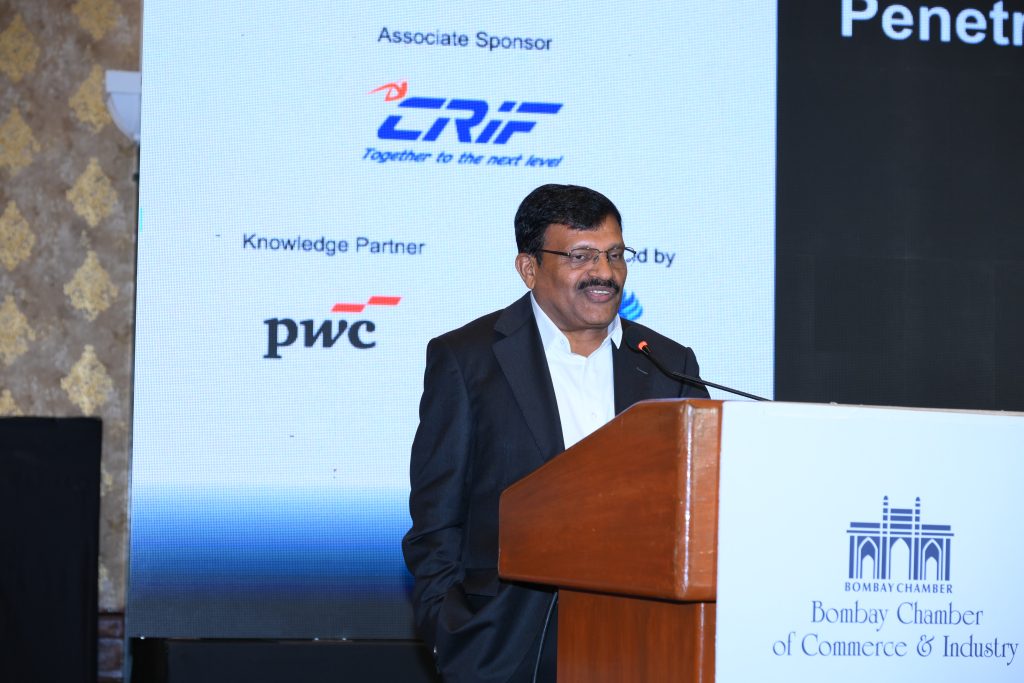
The summit concluded with a strong consensus that achieving the vision of Insurance for All by 2047 will require deeper collaboration between regulators, insurers, reinsurers, technology providers, intermediaries and policymakers. Participants agreed that a customer-centric approach, supported by innovation, technology, transparency and trust, will be essential in building a more inclusive, resilient and financially secure India.
The geopolitical upheavals since the launch of Operation Epic Fury on February 28 have brought out India’s stark dependency on fuel imports, critical supply chain raw materials, and the “fickleness” of private capital. To be sure, this isn’t the first time that the world (and India) has witnessed this state of affairs as evidenced by numerous such events — both related to energy security as well as financial stability — over the last few decades. Moreover, to India’s advantage, the macroeconomic fundamentals are in far better shape than on the cusp of all such past global crises. Nevertheless, India needs to confront the myriad economic challenges precipitated by this latest disruption with short- as well as long-term measures.
‘FDI trajectory: Gross FDI since 2021 has remained steady and crossed $80 billion in three of the last five years (including FY26). However, net FDI in FY26 was a mere $6.3 billion, indicating a steadily increasing outflow from exits of previous investments and outbound FDI by Indian companies. While successful and profitable exits by foreign investors are actually a positive factor, the increasing trajectory of outbound FDI could signal derisking impulses of ultra-high net worth individuals and Indian corporates.
By Sudhir Kapadia, Senior board advisor and former President, Bombay Chamber of Commerce and Industry
Ref.: MCM/ADM/11
The Director General
Bombay Chamber of Commerce and Industry
Mackinnon Mackenzie Building
3rd floor, 4, Shoorji Vallabhdas Road
Ballard Estate, Mumbai – 400 001
Dear Sir/Madam,
Invitation for Bids
Please see enclosed notices for invitation for bids from organizations in Mauritius.
Prospective bidders may be requested to regularly visit the website to take cognizance of any addendum and/or clarification(s) issued.
The Consulate would highly appreciate if you could kindly circulate the Notices among the members of your Organization.
Thank you for your understanding and cooperation.
Yours sincerely,