
Monday, November 23, 2026
Blog

 Login
Bombay Chamber CSR Year Book 2026 released
Mumbai, November 20, 2026: Bombay Chamber’s CSR Conclave themed CSR Next: Navigating the New Social Stock Exchange Mandates explored how the new mandates of the Social Stock Exchange (SSE) can work in practice-for companies exploring new partners and causes, and for NGOs seeking broader support for their work.
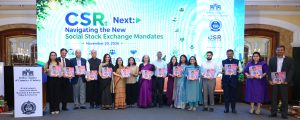
A key highlight of the Conclave was the release of the Bombay Chamber CSR Year Book 2026, marking an important moment in recognising and documenting the contributions and initiatives shaping the CSR landscape. The companies featured in this edition of the Year Book include Amazon India, Bharat Bijlee, Crompton Greaves Consumer Electricals, Godrej Consumer Products, IndiGo, Pidilite Industries, Shree Cement, Surya Roshni, Tata Communications and Tata Steel Foundation.
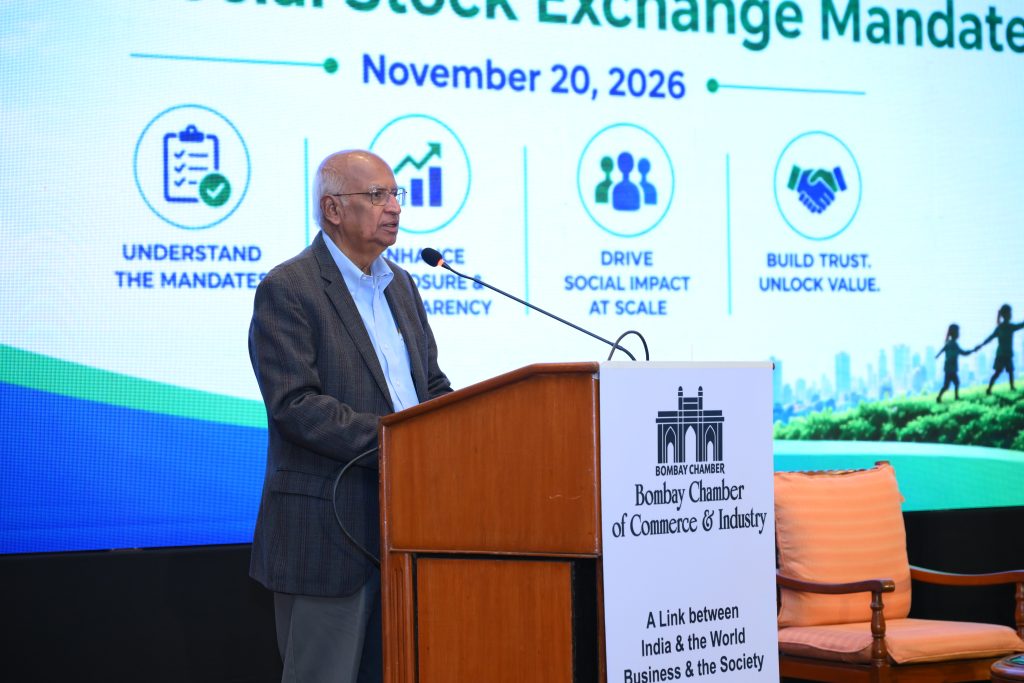
Delivering the keynote address, S. Ramadorai, former CEO & MD, Tata Consultancy Services and Chairperson, Mission Karmayogi Bharat, highlighted the Social Stock Exchange (SSE) as an emerging mechanism to connect corporate intent with meaningful social impact. With the SSE moving from concept to implementation, he emphasised the need to broaden participation, strengthen institutions and bring together corporates, social organisations, regulators and other stakeholders. He outlined five pillars for systematic impact: Collaboration among government, academia and business; technology-enabled platforms to connect funders with credible organisations; institutional capacity building; outcome-based impact measurement; and simplified policies and compliance processes.
Emphasising that trust, transparency and good governance are fundamental to the SSE’s success, Ramadurai stressed the need to move beyond measuring expenditure to assessing tangible outcomes. A school, he noted, is only the beginning; its true impact lies in whether children are learning. Similarly, a hospital’s success must be measured by the quality of healthcare it delivers. Underscoring the importance of direction over timelines, he observed that “the compass is more important than the clock.” The SSE, he concluded, has the potential to become a significant platform for mobilising social capital and accelerating measurable social change.
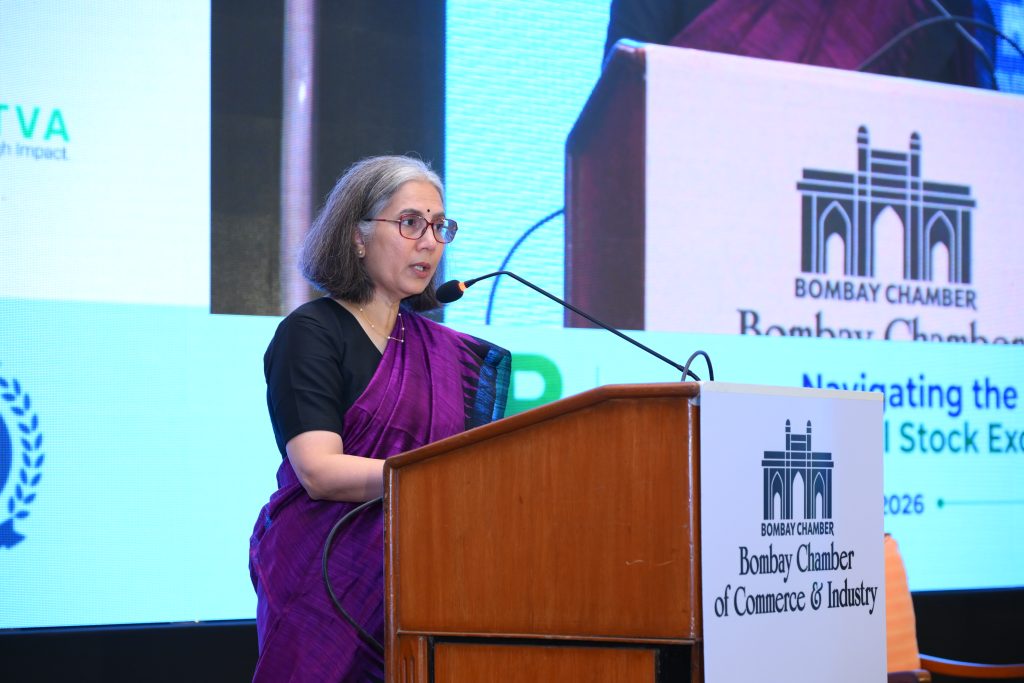
Earlier, setting the theme for the Conclave, Maya Vengurlekar, Chairperson, Bombay Chamber CSR Committee and COO, CRISIL Foundation, highlighted, the evolving role of the Social Stock Exchange in strengthening India’s social development ecosystem, emphasising transparency, credible organisations, collaboration and impact measurement. She also discussed the practical implications of the 10% rule and Zero Coupon Zero Principal (ZCZP) instruments, underlining the importance of stronger disclosures, investor confidence and greater corporate participation in social development.
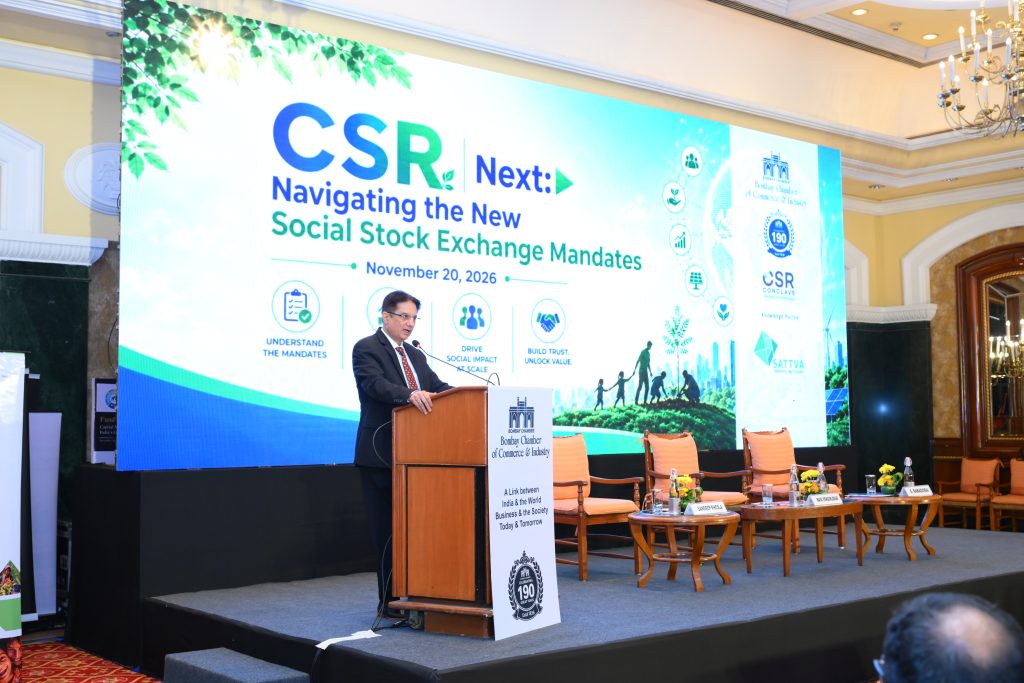
The Conclave opened with Sandeep Khosla, Director General, Bombay Chamber giving the Welcome Address. He pointed out that Bombay Chamber has been closely engaged with this evolving CSR ecosystem. Through its CSR Committee, the Chamber’s endeavour has been to facilitate meaningful conversations between stakeholders, encourage the exchange of good practices and strengthen partnerships that can translate corporate intent into measurable social impact.
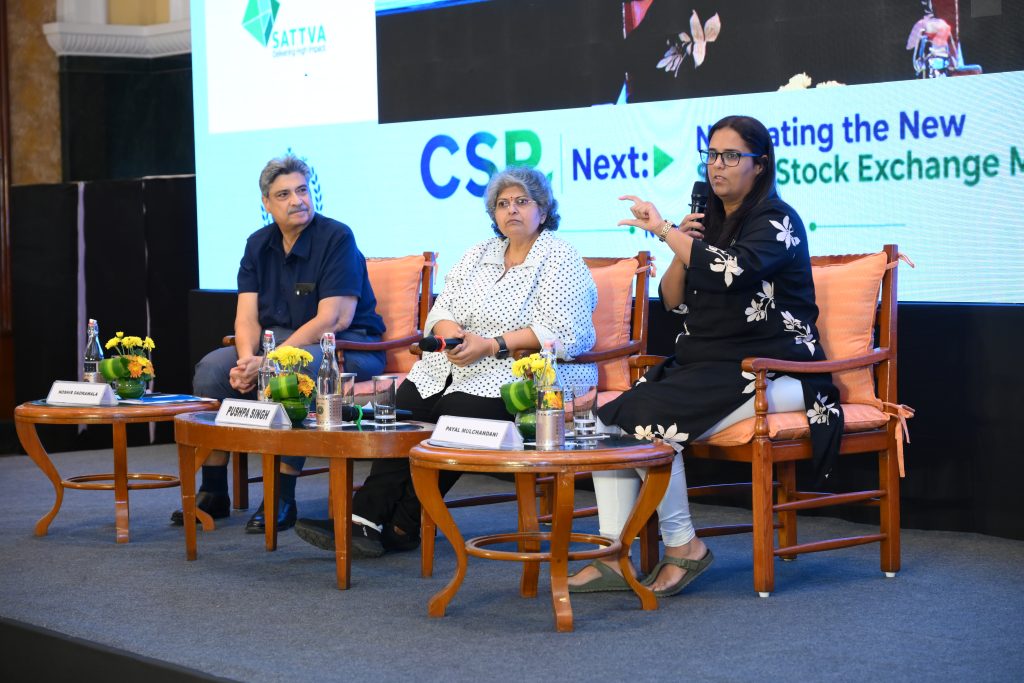
The Fireside Chat was on Decoding the 10% rule and ZCZP Instruments. Moderated by industry veteran Noshir Dadrawala, CEO, Centre for Advancement of Philanthropy, the speakers included Pushpa Singh, Founder and Director, GuideStar India and Payal Mulchandani, Co-Founder 4th Wheel Social Impact
The discussion talked about how the new route for CSR funding where companies can channel up to 10% of their annual CSR expenditure through Zero Coupon Zero Principal (ZCZP) instruments on the SSE. The panel also highlighted this as an opportunity for organisations to present projects grounded in community needs, with realistic costs and clear objectives. Companies, institutions and individuals can contribute towards a common project, helping NGOs diversify their funding.
And how public disclosures can inform funding decisions, alongside conversations with NGOs, project visits and further questions.
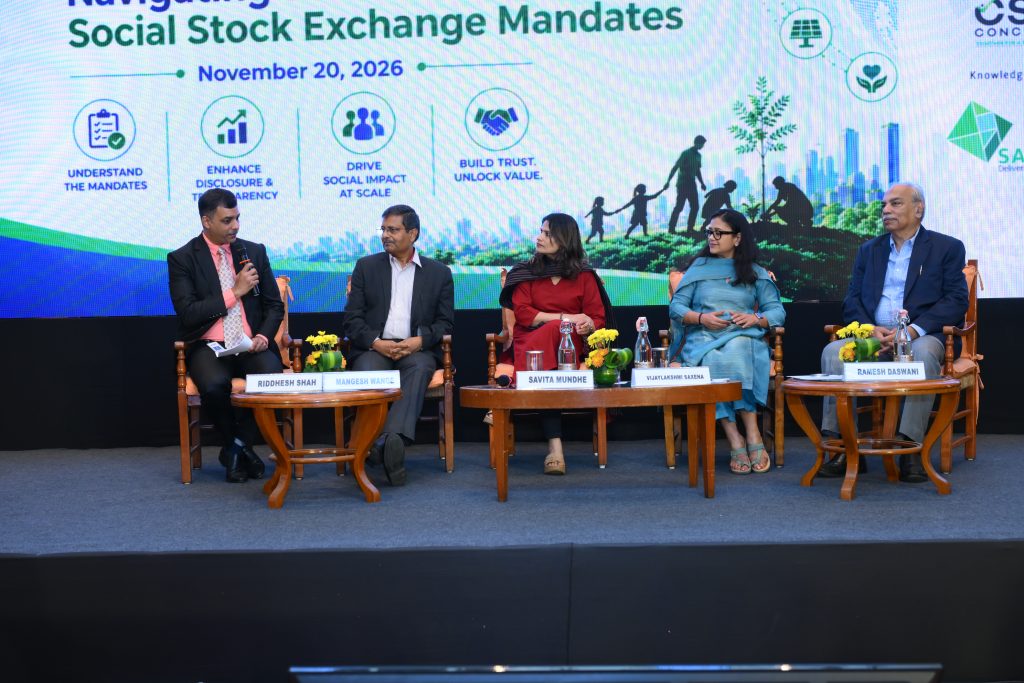
The first panel discussion was on Opportunities & Challenges of listed NPOs. The panel was moderated by Riddhesh Shah, Deputy Vice President, BSE Limited and the panelists included Mangesh Wange, CEO & Board Member, Swades Foundation; Savita Mundhe, Sector Head – CSR School Education, JSW Foundation; Ramesh Daswani, CEO, Light of Life Trust and Vijaylakshmi Saxena CFO, Educate Girls. The panel explored the journey of NPOs on the Social Stock Exchange, discussing organisational readiness, listing processes, fundraising challenges and post-listing opportunities. Panellists highlighted the importance of strong governance, transparency, due diligence and implementation capabilities, while emphasising how the new CSR funding provision can open up opportunities for listed NPOs to access corporate resources and scale their social impact.
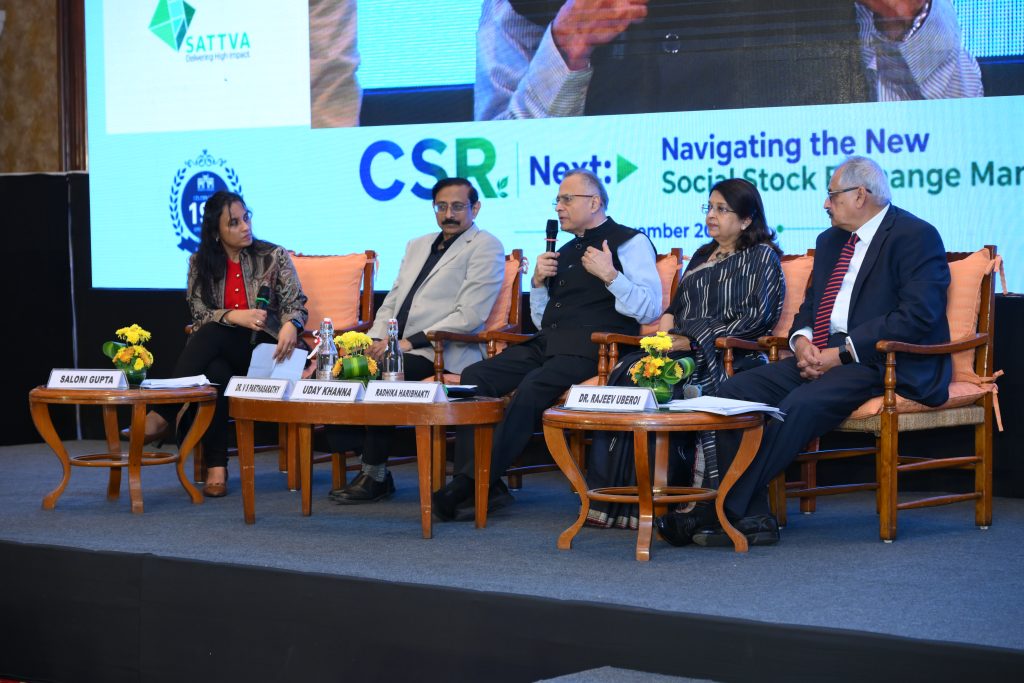
The second panel was on Future of Corporate Philanthropy: A Boardroom Perspective. Moderated by Saloni Gupta, Head – Corporate Advisory, Sattva Consulting, the panelists included Dr Parthasarathy VS, Past President, Bombay Chamber, Chairman, EverEnviro and Independent Director on Corporate Boards; Uday Khanna, Past President, Bombay Chamber and former CEO, Lafarge India and former Independent Director at Kotak Mahindra Bank, Pfizer, Castrol India and Pidilite Industries; Radhika Haribhakti, Independent Director on Corporate Boards and Dr. Rajeev Uberoi, Chairman & Independent Director, Shalimar Paints. Discussions focused on effective board stewardship, long-term social impact, risk assessment, NGO capacity building and leveraging corporate expertise to strengthen communities and create sustainable outcomes.