
Friday, October 9, 2026
Blog

 Login
Login
India’s Gold Revolution Takes Centre Stage at Gold Monetisation Conclave
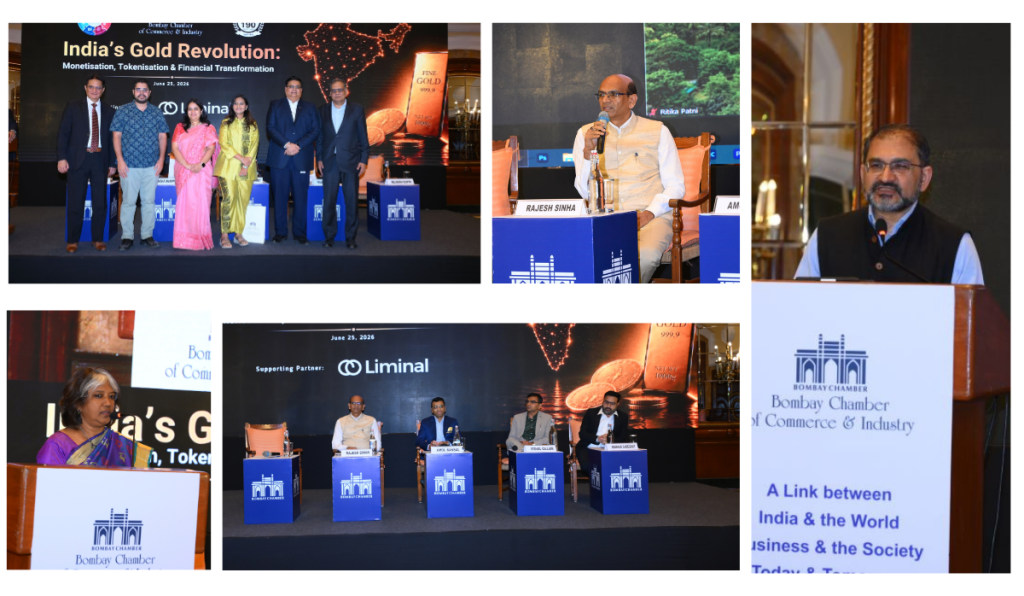
Mumbai, June 25, 2026: With Indian households holding nearly 34,600 tonnes of gold valued at approximately US$3.8 trillion, the Bombay Chamber of Commerce & Industry convened leading policymakers, regulators, market infrastructure institutions and industry experts to deliberate on how the country’s vast gold reserves can be transformed from idle wealth into an active driver of economic growth.
The conclave, “India’s Gold Revolution: Monetisation, Tokenisation & Financial Transformation,” examined the reforms, technologies and market innovations needed to unlock the economic value of India’s gold holdings while reducing dependence on imports and strengthening the country’s financial ecosystem.
Delivering the welcome address, Ashith Kampani, Chair – PE & VC Committee, Bombay Chamber of Commerce & Industry and Chairman, CosmicMandala15 Securities, highlighted the paradox at the heart of India’s gold economy.
“India possesses one of the world’s largest repositories of privately held gold wealth, yet continues to remain among the largest importers of the precious metal. The challenge before us is not whether India should own gold, but how we can transform gold from a passive store of wealth into an active financial asset that contributes more effectively to economic growth, capital formation and financial inclusion,” he said.
Kampani observed that while gold monetisation has long been a policy priority, participation has remained limited because gold ownership in India is deeply personal and emotional. Concerns around purity assessment, valuation, liquidity and trust have prevented large-scale adoption.
He noted, however, that India is now at a pivotal moment, with digital public infrastructure, maturing financial markets, blockchain technology and tokenisation creating unprecedented opportunities to modernise the gold ecosystem.
“The future of gold in India may no longer be defined solely by physical possession. It may increasingly be characterised by digital ownership, fractional participation, transparent custody and seamless integration with broader financial markets,” Kampani said.
Delivering the keynote address on “Building India’s Digital Gold Infrastructure,” Praveena Rai, Managing Director & CEO, MCX, stressed the urgent need to financialise India’s gold holdings.
She pointed out that after crude oil, gold remains India’s second-largest import, accounting for nearly US$72 billion annually, making the issue significant not only for investors but also for the country’s macroeconomic stability.
“The question before us is how we create true financialisation of gold. A substantial portion of the nearly 30,000 tonnes of gold held across Indian households is maintained primarily as an investment asset. The opportunity lies in bringing this gold into highly active financial instruments that allow investors to participate confidently while enabling the economy to benefit from this enormous pool of wealth,” Rai said.
She highlighted the growing range of regulated financial products available to investors, including Electronic Gold Receipts (EGRs), Gold Exchange Traded Funds (ETFs) and Exchange Traded Commodity Derivatives (ETCDs).
While Electronic Gold Receipts hold immense promise by enabling physical gold to be converted into tradeable securities, Rai noted that certain policy issues, particularly around GST, have slowed their adoption. She urged industry bodies, including the Bombay Chamber, to contribute towards resolving these challenges.
Rai also highlighted the remarkable growth of Gold ETFs, noting that for the first time, gold accounted for nearly 55 percent of ETF inflows in India, reflecting increasing investor confidence in regulated digital investment avenues.
She emphasised that India’s commodity derivatives market has matured significantly, with MCX recording average daily trading volumes of approximately ₹2.2 lakh crore in gold futures and options, providing robust liquidity and efficient price discovery.
A major milestone, she said, came in March 2026 when SEBI permitted Indian exchange prices to be used for valuation of mutual fund assets under management, enabling domestic benchmarks to gain greater credibility.
“As the world’s second-largest consumer of gold, India must progressively develop its own globally recognised pricing benchmarks rather than depending solely on international reference prices,” Rai observed.
She further underlined the importance of adopting Indian Good Delivery standards to encourage gold recycling, thereby reducing dependence on imports and supporting the development of a circular gold economy. Looking ahead, Rai identified digital distribution, regulated infrastructure and tokenisation as the next frontier for India’s gold ecosystem.
“Technology alone is not enough. Innovation must be built on a strong regulatory foundation. Tokenisation offers exciting possibilities, but it must work alongside regulated financial infrastructure, digital distribution channels and policy reforms. Together, these can become game changers for India’s gold economy,” she said.
The conclave featured two high-level panel discussions.
The first panel discussion, “Building India’s Gold Monetisation Marketplace,” was moderated by Neil Borate, Editor-in-Chief, thefynprint, and featured Richa Agarwal, Chief General Manager, Securities and Exchange Board of India (SEBI); Ramakrishnan Padmanabhan, General Manager, Department of Metals & Commodities, International Financial Services Centres Authority (IFSCA); Khushboo Ranawat, Regional Chairman – Western Region and Member, National Exhibition Sub-Committee, Gem & Jewellery Export Promotion Council (GJEPC); Nilesh Lodaya, Chief Business Officer, Central Depository Services Limited (CDSL); and Rajnish Gupta, Partner, Tax and Economic Policy Group, EY India. The panellists deliberated on the regulatory, taxation and market infrastructure reforms required to build a robust and scalable gold monetisation marketplace in India.
The second panel discussion, “Moving Gold Monetisation onto the Blockchain,” was moderated by Rajesh Sinha, Partner, Innoqbate Ventures, and featured Amol Bansal, Founder & CEO, MyGold; Vishal Gajjar, Senior Vice President, National Securities Depository Limited (NSDL); Ritika Patni, Head – Singapore Office and NDA Lead, Global Strategic Legal Consulting, Nishith Desai Associates; Manhar Garegrat, Senior Vice President and Country Head – India, Liminal Custody; Hiren Chandaria, Managing Director, Middle East and Asia Operations, Monetary Metals & Co.; and Harshit Gupta, Head – Digital Consumer Business, MMTC-PAMP India. The discussion explored how blockchain, tokenisation, digital custody and emerging technologies can transform gold ownership, improve transparency and create new investment opportunities within a secure and regulated framework.
The conclave concluded with a Vote of Thanks delivered by Sandeep Khosla, Director General, Bombay Chamber of Commerce & Industry, who expressed gratitude to the distinguished speakers, panellists, industry leaders, regulators and participants for their valuable insights and contributions towards shaping the future of India’s gold ecosystem.
Maharashtra set to become power-surplus state, eyes 84 GW capacity: Shri Vishwas Pathak at Bombay Chamber Energy Leadership Conclave 2026
Maharashtra set to become power-surplus state, eyes 84 GW capacity: Shri Vishwas Pathak at Bombay Chamber Energy Leadership Conclave 2026
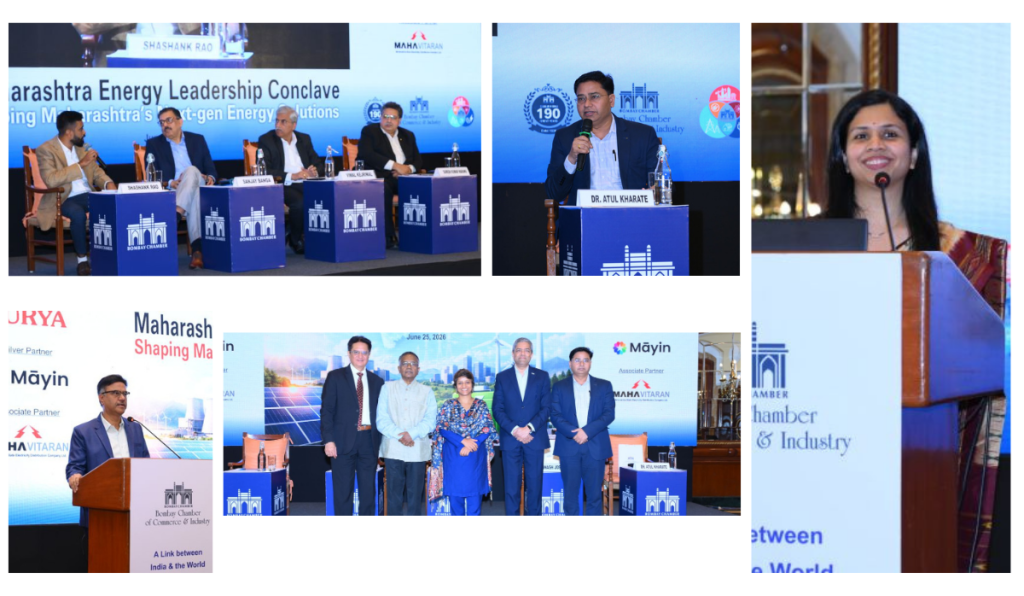
Mumbai: Maharashtra is on course to becoming a power-surplus state with plans to build up to 84 GW of power capacity to meet rising demand and support its ambitious economic growth, said Shri Vishwas Pathak, Independent Director, Maharashtra State Electricity Distribution Co. Ltd (MSEDCL), while delivering the Guest of Honour Address at the Bombay Chamber Maharashtra Energy Leadership Conclave 2026 on the theme “Shaping Maharashtra’s Next-Gen Energy Solutions.”
Addressing policymakers, industry leaders and energy experts, Shri Pathak said Maharashtra’s power sector has undergone a remarkable transformation over the past decade and is now positioned to power the state’s vision of becoming a $1 trillion economy. He credited the dynamic and visionary leadership of Hon’ble Chief Minister Shri Devendra Fadnavis for driving this transformation, supported by landmark infrastructure projects such as the Samruddhi Mahamarg, Atal Setu, Coastal Road, Missing Link and expanding Metro networks.
“Ten years ago, Maharashtra’s peak power demand was 16 GW and load-shedding was a weekly reality. Today, our energy requirement has doubled to 32 GW and is projected to reach 45 GW in the coming years. Mumbai cannot be a city without power, and even momentary outages are no longer acceptable,” Shri Pathak said, adding that Maharashtra today competes with many countries in power sector performance while maintaining stringent environmental standards.
Highlighting the state’s accelerating clean energy transition, he said thermal power, which contributed nearly 90% of the state’s electricity a decade ago, now accounts for around 50%, with renewable energy rapidly bridging the gap. Over the past two years, Maharashtra has tied up nearly 30 GW of additional capacity, including 26 GW of solar power, 6.6 GW of thermal power, and 6 GW of Battery Energy Storage Systems (BESS). Renewable energy investments under various MoUs are also expected to create nearly 12,000 jobs, while the state is exploring nuclear energy as a reliable clean-energy option for future baseload requirements.
Outlining Maharashtra’s long-term roadmap, Shri Pathak said, “To meet future demand and become power-surplus, Maharashtra will need to execute Power Purchase Agreements for up to 84 GW. We are strengthening the sector so that Maharashtra can not only meet its own energy requirements but also export power to other states.”
With nearly 30% of Maharashtra’s electricity consumption coming from agriculture, Shri Pathak said the government is rapidly expanding solar adoption among farmers. More than 50,000 farmers are already benefiting from distributed solar projects. Replacing conventional grid power costing around ₹9 per unit with solar power at approximately ₹3 per unit is expected to generate savings of nearly ₹80,000 crore over the coming years, even after government subsidies. “With sustained efforts by the Ministry and the State Government, electricity tariffs will come down as renewable energy penetration increases,” he added.
Welcoming the delegates, Sandeep Khosla, Director General, Bombay Chamber of Commerce & Industry, said, “As Maharashtra strengthens its position as India’s leading industrial and economic hub, access to reliable, affordable and sustainable energy will be critical to supporting its future growth. Through this Conclave, we aim to identify pathways for building a resilient, future-ready energy ecosystem for Maharashtra by bringing together leaders from government, industry and the energy sector to discuss technology, investment, infrastructure, policy and collaboration.”
The Conclave brought together senior government officials, regulators, utilities, industry leaders, technology providers and energy experts to deliberate on strategies for accelerating Maharashtra’s clean energy transition and strengthening its leadership in India’s evolving energy landscape.
Setting the theme for the Conclave, Venkatesh R, Vertical Head for Power Group, Bombay Chamber and Managing Director & Director – Energy Business, Wärtsilä India said, “Reliable electricity, robust transmission networks and advanced storage technologies will become critical enablers of India’s digital economy.” He added that energy transition cannot be achieved in isolation. “Policymakers, regulators, utilities, technology providers, investors and consumers must work together to build an integrated and resilient energy ecosystem,” he said.
A Leadership Dialogue on How Maharashtra’s Largest Energy Consumers Are Shaping the Future of Power Demand was moderated by Dr. Kiran Kabtta Somvanshi, Journalist, Writer and Visiting Professor, ex-Economic Times and the panelists included Avinash Joshi, Executive Managing Director, India, NTT Data; Dr. Atul Kharate, Chief Operating Officer, IndianOil Adani Ventures and K. R. Venkatadri, Former CCO, Tata Chemicals.
The second Leadership Dialogue: Who Will Power Maharashtra 2035? Technology, Capital and Capacity for the Next Energy Leap was moderated by Shashank Rao, Senior Assistant Editor, Hindustan Times and the panelists were Sanjay Banga, Chief Exe cutive Officer and Managing Director and President, Tata Power Renewable Energy; Vimal Kejriwal, MD & CEO, KEC International and Suresh Kumar Narang, Former CEO, Nabha Power, a wholly owned subsidiary of Larsen & Toubro and EVP & Head – LTECLS, L&T Energy CarbonLite Solutions – Larsen & Toubro.
In a virtual address on the theme Building Future-ready Energy Ecosystems: Maharashtra–Egypt Collaboration for Sustainable Growth, special guest, Dr. Ahmed Mohina, first Undersecretary for Strategic Planning and Electrical, Ministry of Electricity and Renewable Energy, Arab Republic of Egypt shared that to encourage private sector participation in power, Egypt has allocated more than 42,000 square kilometres of land for renewable energy and green hydrogen projects. Comprehensive solar and wind resource data are freely available to investors, while long-term 25-year Power Purchase Agreements (PPAs) backed by government guarantees provide financial certainty.
The concluding remarks were presented by Amit Kekare, Committee Chairman- Power and Infrastructure, Bombay Chamber and Vice President – Head of eMobility, Siemens Ltd. India.
Sudhanshu Vats Assumes Office as President of the Bombay Chamber, Unveils Vision for an AI-Powered, Future-Ready Chamber
Sudhanshu Vats Assumes Office as President of the Bombay Chamber, Unveils Vision for an AI-Powered, Future-Ready Chamber
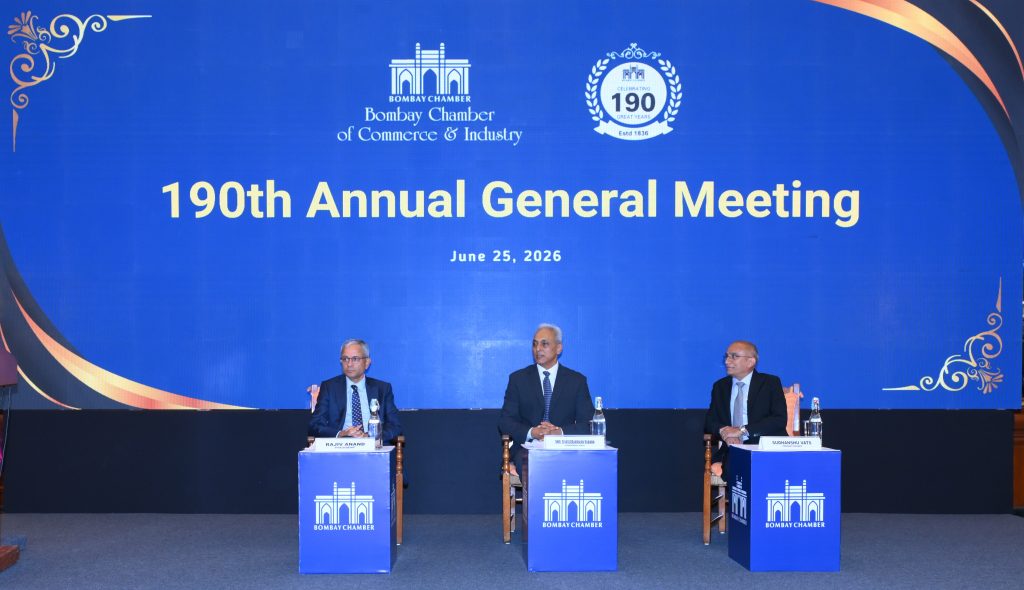
Mumbai, June 25, 2026: The Bombay Chamber of Commerce & Industry, India’s oldest chamber of commerce, ushered in a new chapter at its 190th Annual General Meeting, with Sudhanshu Vats, Managing Director, Pidilite, assuming office as President for 2026–27. Outlining a bold roadmap centred on artificial intelligence, MSME transformation, and Mumbai’s global competitiveness, Vats called for the Chamber to evolve into a “capability engine” that accelerates business growth while strengthening its role in shaping public policy.
Addressing members, Vats said, “As we celebrate the 190th year of the Bombay Chamber, one thing stands out clearly: our relevance has never come from standing still—but from evolving with purpose.”
Building on the Chamber’s existing theme of Innovation, Inclusion and Impact, Vats outlined three strategic priorities for the year ahead: placing Mumbai and Maharashtra at the centre of the Chamber’s agenda, empowering MSMEs through artificial intelligence, and transforming the Chamber itself through AI-enabled member services and policy engagement.
Highlighting Mumbai’s importance to India’s growth story, he said, “Our ambition is clear: to make Mumbai one of the world’s most competitive and future-ready economic centres of the 21st century.”
On MSMEs, Vats emphasised that while Maharashtra’s one crore MSMEs are the backbone of the state’s economy, they must now become technology-enabled enterprises. “Our vision is tobhelp MSMEs compete not as small players, but as intelligent, tech-enabled enterprises,” he said, announcing initiatives to simplify compliance, improve access to finance, and democratise
enterprise-grade capabilities using artificial intelligence.
He also announced that the Chamber itself would embrace AI by deploying intelligent digital agents to provide continuous member engagement, deliver data-driven policy insights and create an always-on advisory ecosystem. “As we call upon industry to transform, we must transform ourselves,” he remarked.

Paying tribute to outgoing President Rajiv Anand, Managing Director and CEO, IndusInd Bank, Vats acknowledged his leadership during a challenging global environment, stating, “Your clarity of purpose coupled with your humility and passion helped the Bombay Chamber continue to build on its momentum as we navigated the year successfully.”
In his farewell presidential address, Rajiv Anand reflected on a year defined by Innovation, Inclusion and Impact, built around five strategic pillars—sustainable economic growth, technology and innovation, human capital, public-private partnerships, and modernising the Chamber.
Over the past year, the Chamber organised more than 100 conferences, conclaves, seminars, workshops and training programmes, while strengthening its voice in policy advocacy, fostering industry-government collaboration, and expanding international partnerships.
Reflecting on his tenure, Anand said, “The Bombay Chamber is far more than India’s oldest chamber of commerce. It is a respected institution that has, for nearly two centuries, championed enterprise, shaped economic thought, and contributed meaningfully to the nation’s development.”
Expressing confidence in the Chambe’s future, he added, “Leadership is temporary, but the impact of collective purpose endures,” as he formally passed the baton to Vats.

The AGM’s Chief Guest, Shri Sivasubramanian Ramann, Chairperson, Pension Fund Regulatory and Development Authority (PFRDA), delivered the keynote address on the role of pension funds in building a developed India by 2047. He emphasised that economic progress must be measured not only by growth but by long-term resilience and social security.
“A nation does not become developed merely by growing large. It becomes developed when growth is matched by resilience,” Shri Ramann said.
Describing pension systems as both an instrument of human dignity and a source of long-term nation-building capital, he noted that pension funds can play a transformative role in financing infrastructure, technology, innovation and social development while providing financial security for India’s ageing population.

The evening concluded with a Vote of Thanks by Sandeep Khosla, Director General of the Bombay Chamber, who thanked the Chief Guest, Chamber leadership, past presidents, board members, committee leaders, members and stakeholders for their continued support. He also acknowledged the Chamber Secretariat for successfully organising the landmark Annual General Meeting and reaffirmed the Chamber’s commitment to building on its rich legacy while embracing innovation and future-ready growth.
Union Minister for MSME Shri Jitan Ram Manjhi and Bihar Chief Minister Shri Samrat Choudhary to Jointly Lay Foundation Stone of Technology Centre, Khizarsarai, Gaya Ji
Union Minister for MSME Shri Jitan Ram Manjhi and Bihar Chief Minister Shri Samrat Choudhary to Jointly Lay Foundation Stone of Technology Centre, Khizarsarai, Gaya Ji

The Hon’ble Union Minister for Micro, Small and Medium Enterprises, Shri Jitan Ram Manjhi and the Hon’ble Chief Minister of Bihar, Shri Samrat Choudhary, will lay the Foundation Stone of the upcoming Technology Centre at Khizarsarai, Gaya Ji, Bihar on June 15, 2026. The ceremony will commence with a traditional Bhoomi Pujan (Ground Breaking Ceremony). Senior officials from Ministry of MSME and Government of Bihar will also grace the ceremony.
Technology Centres: Pillars of Aatmanirbhar Bharat
To foster an enabling environment and enhance MSME competitiveness, the Ministry of MSME operates a nationwide network of Technology Centres and Extension Centres across the Country. Over the years, these Centres have played a pivotal role in building indigenous capabilities and driving the Aatmanirbhar Bharat initiative. Beyond supporting MSME, they advance national goals of technological self-reliance and sustainable industrial growth, aligning with the Government of India’s vision for a self-sufficient, globally competitive manufacturing ecosystem.
Salient Features of Technology Centre, Gaya Ji
Technology Centre, Gaya Ji will be established at Khizarsarai, Gaya Ji with a total investment of Rs. 170 crore, including approximately Rs. 86 crore for civil works and Rs. 84 crore for plant and machinery.
The Centre will be developed on a 20-acre plot provided by State Government with a built-up area of approximately 16,800 square metres, comprising a Production Block, Training Block, Utility Block, Administrative Block, Multipurpose Hall, Hostel, and Staff Accommodation.
The Centre will cater to the focus sectors of General Engineering, Heavy Engineering and Textile Testing, addressing the requirements of MSME/Industries in the region.
The Centre will serve MSME in the districts of Gaya Ji, Aurangabad, Nawada, Nalanda, Jehanabad, and Munger, providing access to advanced manufacturing technologies, an industry ready workforce, and essential technical and business advisory services, enabling them to expand, innovate, and compete globally.
Services to be Offered by TC Gaya Ji
Production: Tool room facilities for moulds, dies, jigs, and fixtures; CNC machining services; CAD/CAM/CAE facilities; rapid prototyping; Industry 4.0 lab; and renewable energy systems/solutions.
Industry-relevant Programmes in CAD/CAM/CAE, VLSI/ES/Automation, Artificial Intelligence, Internet of Things, Data Analytics, Prototyping, Quality Control, General Engineering, Heavy Engineering and Textiles.
Business Development & Advisory services: Services encompassing market research, prototype development, Six Sigma practices, regulatory compliance, supply chain management, digital marketing, branding, product design, modernisation, automation, innovation, and incubation.
Expected Impact
TC Gaya Ji aims to train 7,000 trainees annually through short-term and long-term industry-oriented programmes aligned with current and emerging industry requirements.
The Centre will support more than 1000 local MSME in tooling activities and job work on an annual basis.
The Centre will serve as a major catalyst for industrial growth in southern Bihar, by bridging technology gaps, integrating local MSME with global supply chains and strengthening the economy of the historic Magadh region
DPIIT, ONDC Bring FMCG Leaders Together to Digitise Procurement for India’s 1.4 Crore Kirana Stores Through DigiDukaan
DPIIT, ONDC Bring FMCG Leaders Together to Digitise Procurement for India’s 1.4 Crore Kirana Stores Through DigiDukaan

The Department for Promotion of Industry and Internal Trade (DPIIT), in collaboration with the Open Network for Digital Commerce (ONDC), convened a CPG Roundtable – Bharat Commerce Chintan Shivir on 12 June 2026. The roundtable brought together leaders from leading consumer goods companies, distributor networks, technology providers and logistics partners to discuss the digital transformation of India’s General Trade ecosystem.
India’s General Trade ecosystem, comprising over 1.4 crore kirana stores, accounts for nearly 75–80 per cent of FMCG sales. However, much of the channel continues to operate through fragmented ordering systems, limited inventory visibility and manual sales processes, resulting in inefficiencies for retailers, distributors and brands.
The discussions focused on DigiDukaan, ONDC’s initiative aimed at digitising kirana stores for B2B procurement. Designed to improve efficiency across the value chain, DigiDukaan enables kirana stores to improve margins through direct procurement by offering better visibility of schemes, improved fill rates and enhanced working capital management. For distributors, the initiative facilitates wider market reach without additional field costs through order and collection digitisation, while improving retailer coverage. For brands, it provides direct access to retailer demand signals, retail counters, and more effective deployment and tracking of schemes.
DigiDukaan has already gained early traction in Hyderabad, where more than 10,000 retailers and over 35 brands have been onboarded through Qwipo. Following Hyderabad, DigiDukaan is scheduled to launch in Jaipur on 19 June 2026 through Salescode, with expansion planned across Mumbai, Bengaluru and Delhi-NCR in the coming months.
Industry leaders discussed key challenges facing the General Trade ecosystem, including fragmented retailer engagement, rising sales-force costs, inventory inefficiencies, limited visibility into secondary sales and increasing competition from digital-first retail models. Participants also explored how open digital infrastructure can improve retailer access, distributor productivity, demand planning and scheme effectiveness across the FMCG value chain.
The roundtable provided a platform for stakeholders to share recommendations on distributor digitisation, catalogue standardisation, retailer onboarding and technology integration. Participating companies were also invited to collaborate as founding partners in the next phase of DigiDukaan’s expansion.
The roundtable was chaired by Additional Secretary, DPIIT, Shri Ateesh Kumar Singh, and saw participation from companies including HUL, ITC, Coca-Cola, TCPL, CavinKare, Marico, Bikano, L’Oréal, Moon Beverages, Anmol Industries, Nestlé and Kirana King. The participating organisations expressed interest in engaging with and supporting the DigiDukaan initiative.
MSMEs remain the backbone of our economy, says Sunil Mathur at Bombay Chamber MSME Conclave 4.0
MSMEs remain the backbone of our economy, says Sunil Mathur at Bombay Chamber MSME Conclave 4.0
Mumbai: Industry leader Sunil Mathur, Managing Director & Chief Executive Officer, Siemens emphasised that India’s Micro, Small and Medium Enterprises (MSMEs) are poised to play a defining role in the country’s emergence as a global manufacturing and export powerhouse.
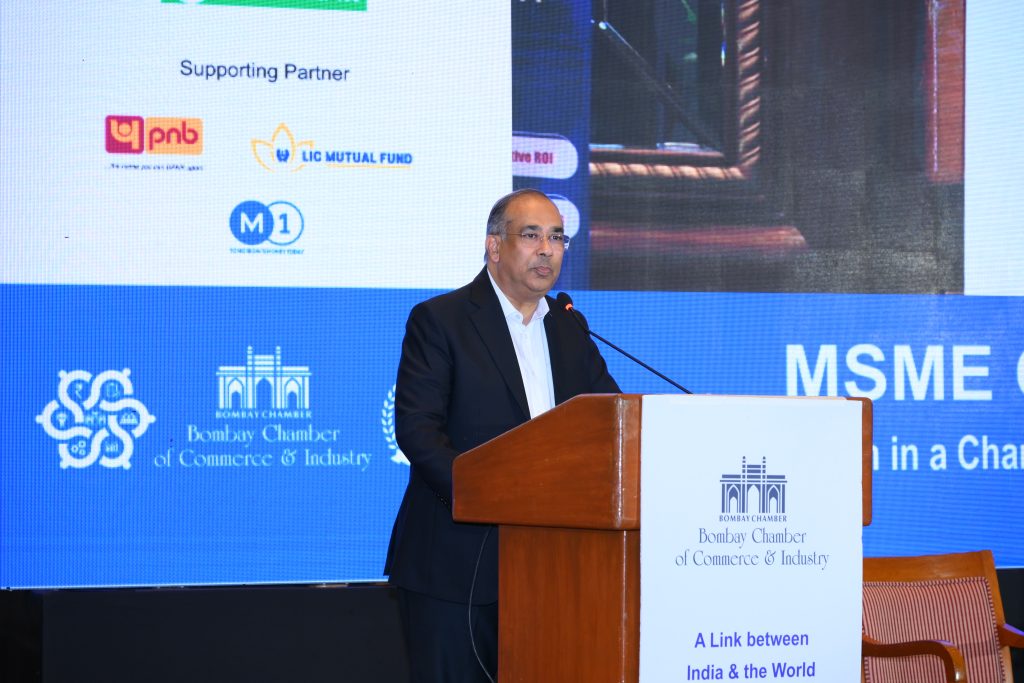
Addressing industry stakeholders, entrepreneurs, and policymakers at Bombay Chamber’s MSME Conclave 4.0, Mathur noted that India’s strong investments in energy, infrastructure, manufacturing, and technology are creating unprecedented opportunities for MSMEs to expand their presence in international markets.
“MSMEs contribute nearly 60 per cent of India’s exports and remain the backbone of our economy. Their growth, modernisation, and global competitiveness will be central to India’s economic progress in the coming decades,” said Mathur.
Highlighting India’s rapid infrastructure development, Mathur pointed out that more than 90 records have been broken in energy generation over the past decade. Over the coming decade, the country is projected to add generation capacity equivalent to two Germanys combined. “Reliable energy and modern infrastructure are critical enablers of industrial growth. These investments will help Indian businesses become more efficient, competitive, and globally connected,” he said.
Addressing the importance of productivity and efficiency, Mathur observed that advanced manufacturing operations in Europe and North America often achieve efficiency levels of around 99 percent, while many Indian operations currently operate at approximately 75 percent. “The gap can only be bridged through technology adoption,” he stated.
“Technology is not just an option—it is the answer. Businesses that embrace digitalisation, automation, artificial intelligence, and advanced manufacturing will be best positioned to compete globally,” he said.
Mathur also emphasised the need for stronger investments in research and development. “If India is to become a truly global manufacturing and innovation leader, greater focus on innovation and R&D is essential. Competitiveness today is driven not only by cost but by the ability to create value through innovation,” he remarked.
He called for sustained efforts to upskill employees and entrepreneurs in emerging technologies and advanced manufacturing practices.”The future belongs to organizations that can do more with less—more productivity, more quality, and more innovation through greater efficiency,” he said.
Concluding his address, Mathur urged Indian MSMEs to focus on five key priorities: Quality excellence, technology adoption, innovation, global market readiness, and continuous workforce development.
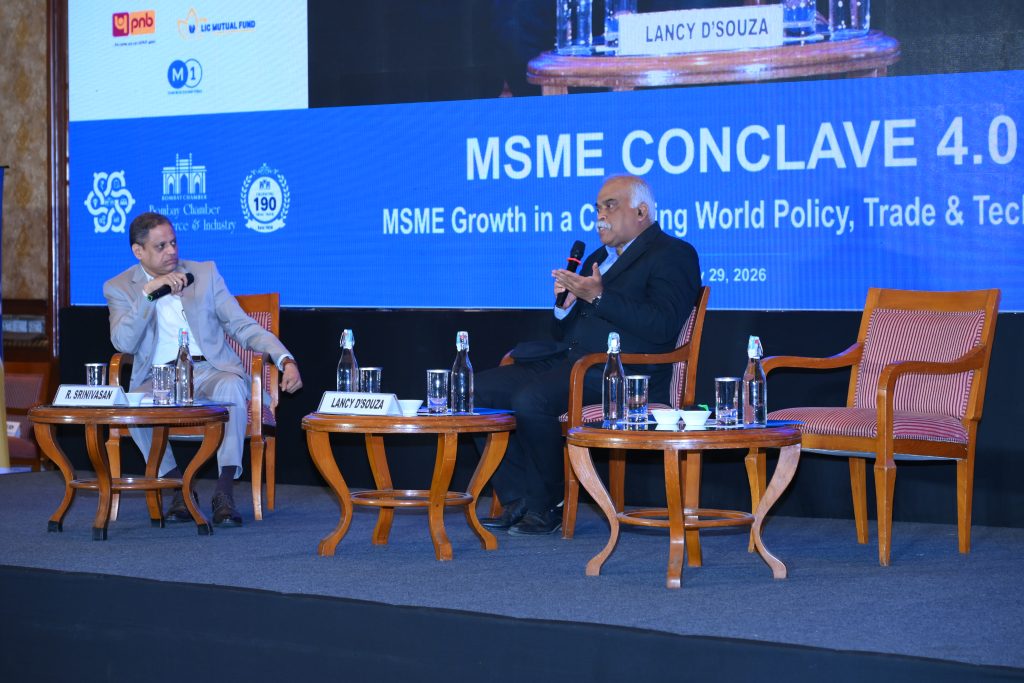
The Keynote was followed by a Fireside Chat on Evolving Labour Laws: MSME Perspective between R. Srinivasan, Co-Chairperson – MSME Forum, Bombay Chamber & Director, AIRA Consulting and Lancy D’Souza, Advocate & Legal Advisor, Bombay Chamber of Commerce & Industry.
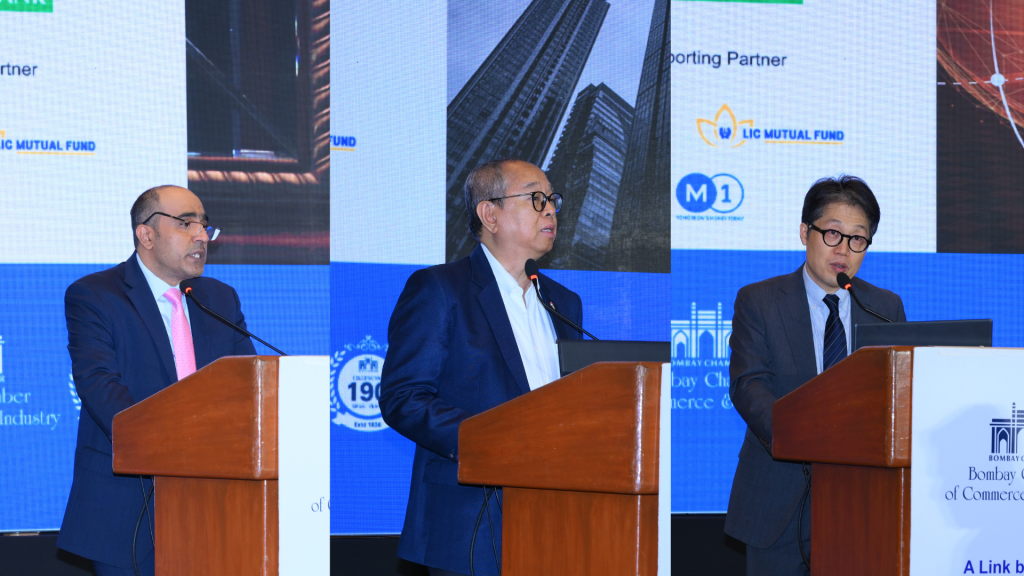
The session on Bilateral Trade Opportunities for MSMEs in the Evolving Global Landscape had presentations by Mahboob Issa Alraisi, Consul General, Consulate General of the Sultanate of Oman; H.E. Mr. Eddy Wardoyo, Consul General, Consulate General of The Republic of Indonesia and Junhan Kim, Director General, Korea Trade-Investment Promotion Agency.
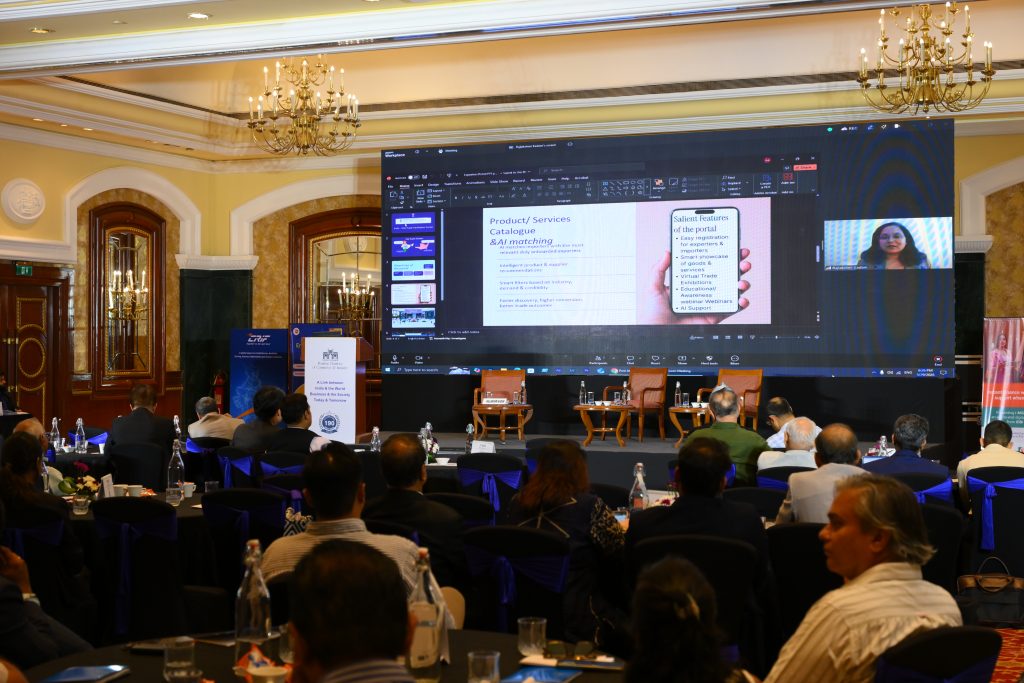
There was also a virtual session on India U.S. Trade Facilitation Portal by Rajlakshmi Kadam, Consul (Trade), Consulate General of India, New York.
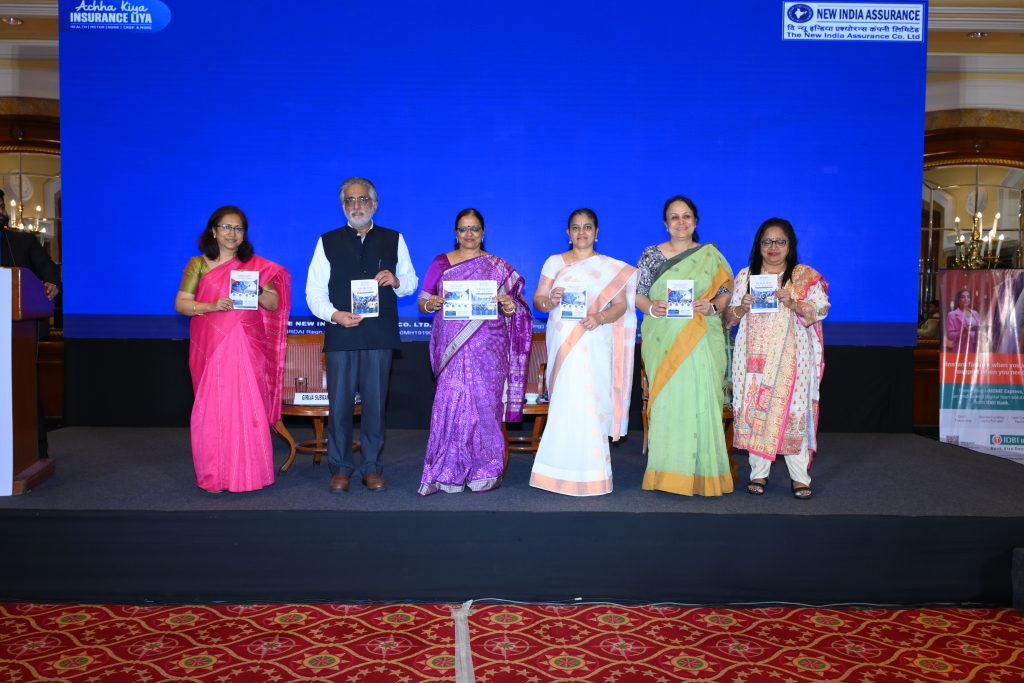
In her address, Girija Subramanian, Chairman-Cum-Managing Director, The New India Assurance Co. spoke about the new products her organisation was launching.
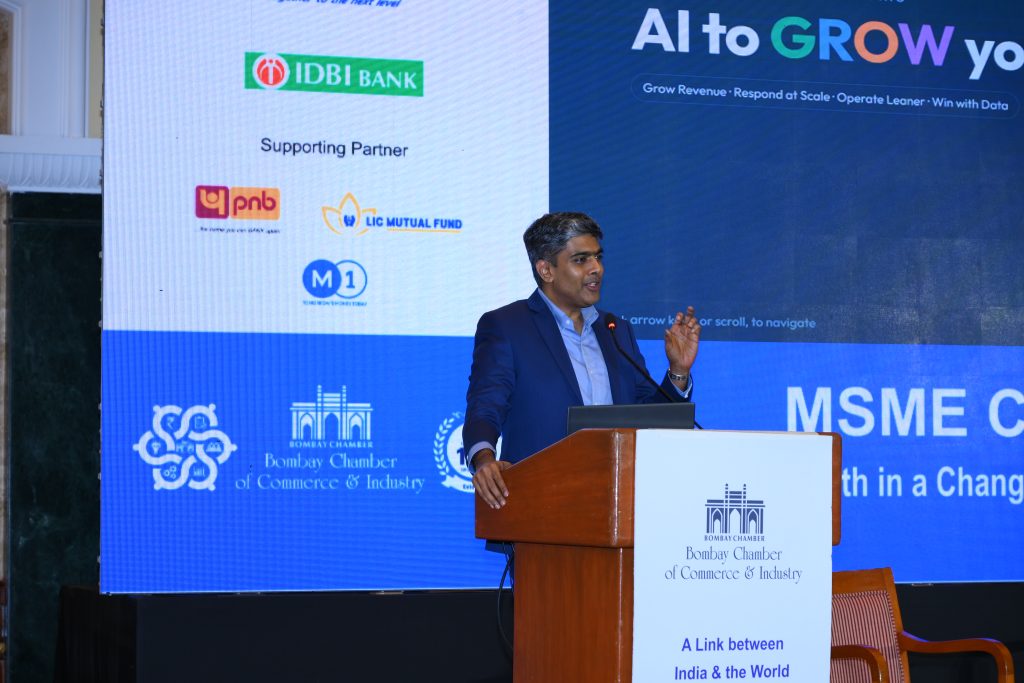
This was followed by sessions on Leveraging AI for MSME Growth presented by Harish Narayanan, CMO & CDO, HDFC Asset Management Company while the session on TReDS Portal: Bridging MSMEs and Banks for Seamless Trade was presented by Amit Sachdev, COO, M1xchange.
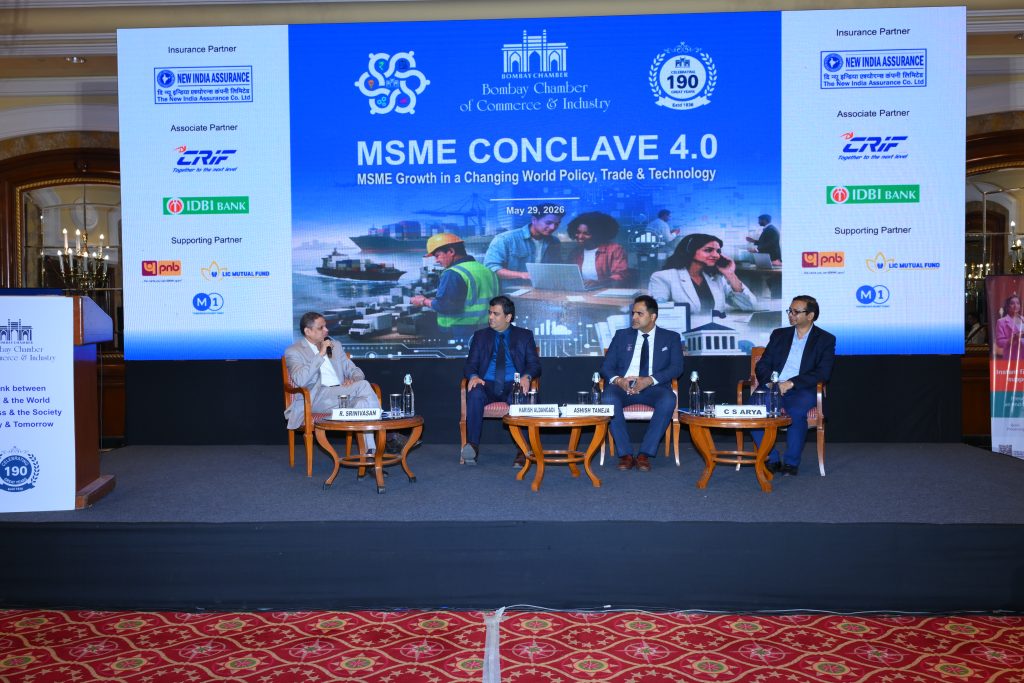
The panel discussion on The Changing World for MSME Finance was moderated by R. Srinivasan, Co-Chairperson – MSME Forum, Bombay Chamber & Director, AIRA Consulting and the panelists were Harish Aldangadi, Senior General Manager Retail Credit & SME, SVC Bank; C. S. Arya, General Manager – (MSME & eSCF), IDBI Bank and Ashish Taneja, Head – Commercial Business, CRIF High Mark Credit Information Services.
IRDAI outlines 5As pathway to Insurance for All by 2047 at Bombay Chamber Insurance Summit
IRDAI outlines 5As pathway to Insurance for All by 2047 at Bombay Chamber Insurance Summit
Mumbai, May 29, 2026: The Bombay Chamber of Commerce and Industry hosted the Insurance Summit 2026: Enhancing Insurance Penetration & Density in India in Mumbai, bringing together regulators, industry leaders, insurers, reinsurers, technology experts and policymakers to discuss the future of India’s insurance sector and the collective journey towards the vision of Insurance for All by 2047.
Delivering the keynote address on “The Regulator’s Vision for Insurance 2030,” Shri Swaminathan Iyer, Member-Life, IRDAI, emphasized that Insurance for All 2047 is not merely a regulatory ambition but an industry-wide mission to ensure that every citizen has access to appropriate life, health and property insurance cover while every enterprise is supported by adequate risk protection.
Underscoring the need to move beyond traditional penetration metrics, Shri Iyer called for greater focus on meaningful coverage, policy persistency, customer outcomes and trust. He outlined the Five As that will be critical to achieving the vision—Awareness, Accessibility, Affordability, Assurance and Accountability. He stressed the need for simpler products, greater transparency, improved customer engagement and a policyholder-first approach across product design, distribution, servicing and claims management.
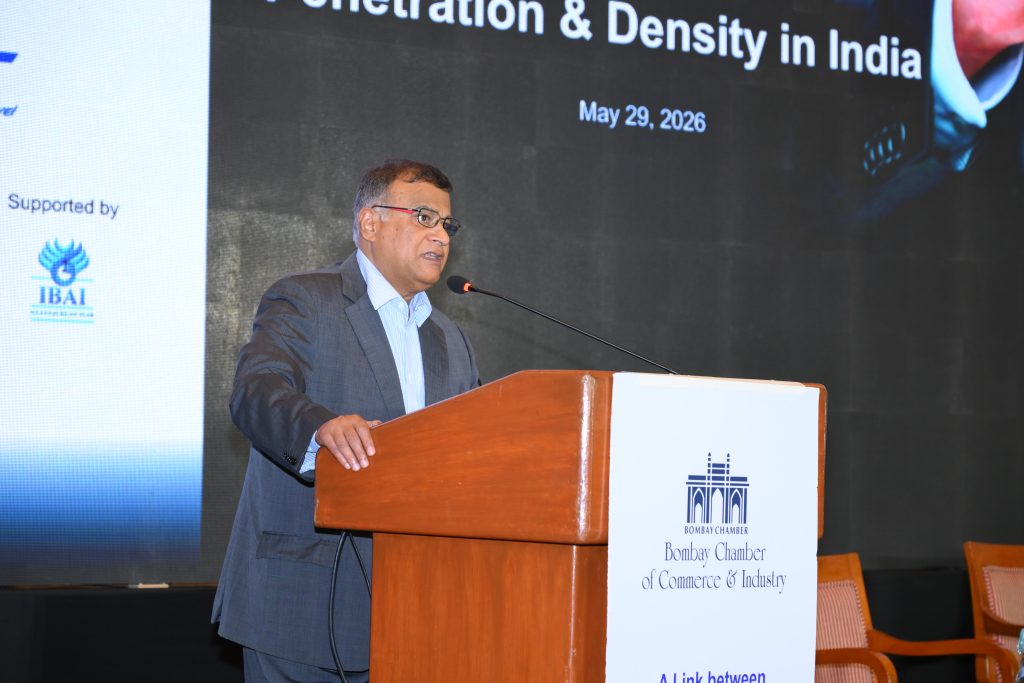
Earlier, welcoming delegates, Praveen Vashishta, Member, BFSI Committee, Bombay Chamber and Former Co-founder, Howden Insurance Brokers India & Chairman Howden Asia, highlighted the significant protection gaps that continue to exist in India. He noted that nearly half of India’s population remains outside the health insurance net, while almost 93% of the country’s exposure to natural catastrophes remains uninsured. Describing the protection gap as a national priority, he emphasized the critical role of technology, product innovation and reinsurance in expanding insurance penetration and strengthening financial resilience.
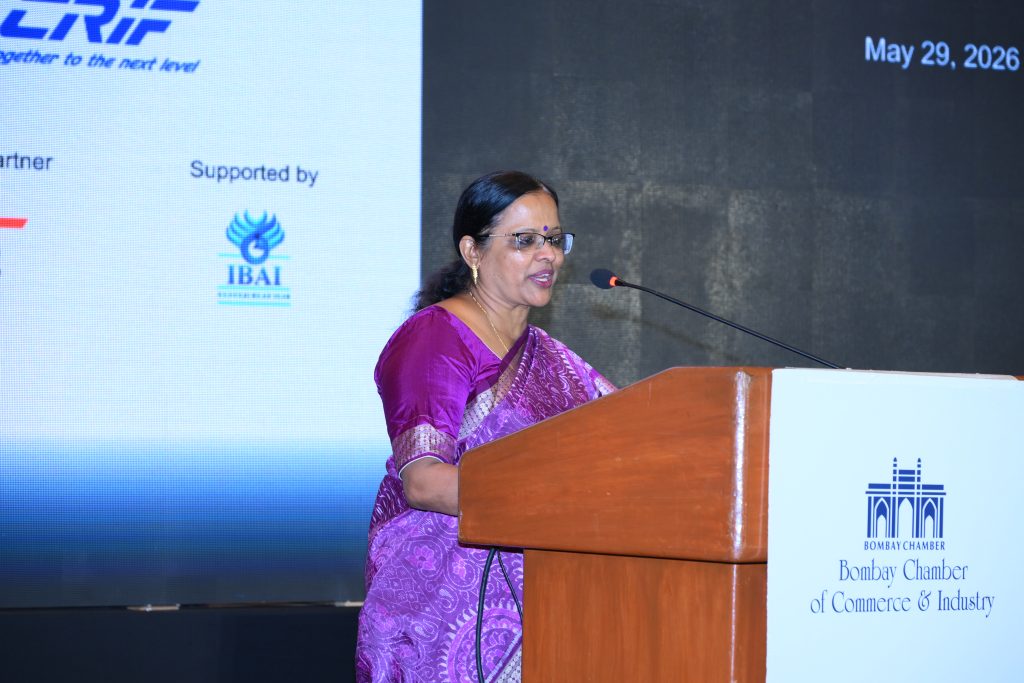
In her special address, Girija Subramanian, Chairman-cum-Managing Director, New India Assurance and Board Member, Bombay Chamber, called for a shift from reactive disaster funding to proactive risk-transfer mechanisms. She highlighted the need for innovative solutions such as national catastrophe pools, cyber insurance, parametric insurance, infrastructure and surety bonds, and emerging liability covers to build resilience against evolving economic, climate and digital risks.
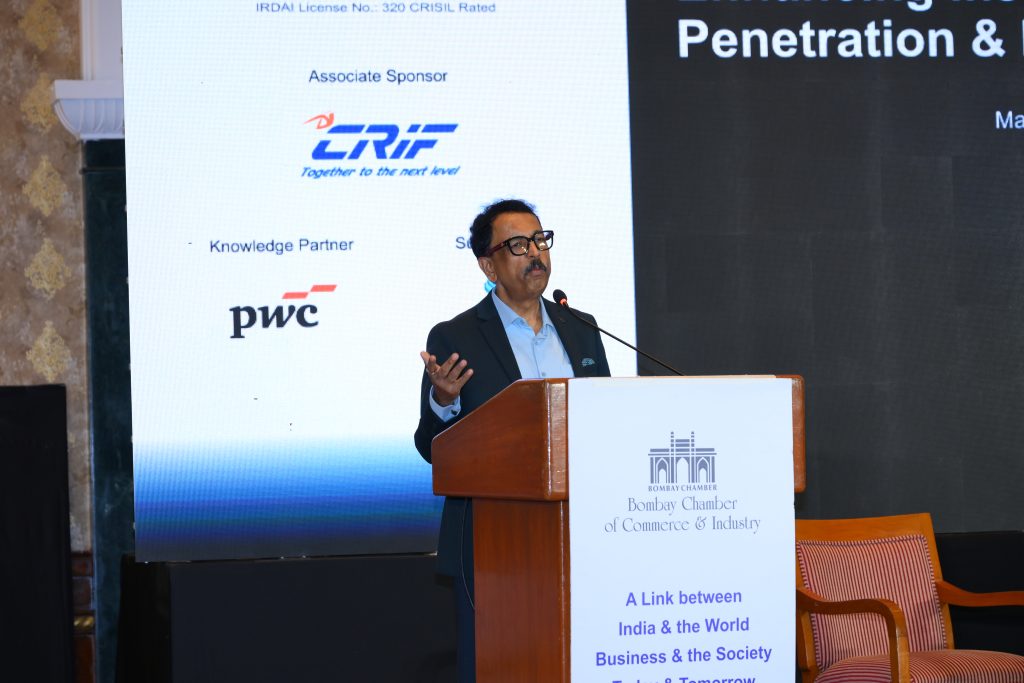
Delivering the Strategic Insights Address, Amit Roy, Partner and Leader – Insurance & Allied Businesses, PwC India, highlighted the significant progress made by the Indian insurance industry in expanding access, supporting financial inclusion and strengthening customer protection. He called for greater trust across the insurance ecosystem, enhanced public awareness of insurance, and stronger recognition of the industry’s contribution to economic development, employment generation and social security.
The summit featured three high-impact panel discussions that explored the opportunities and challenges shaping the future of the insurance sector.
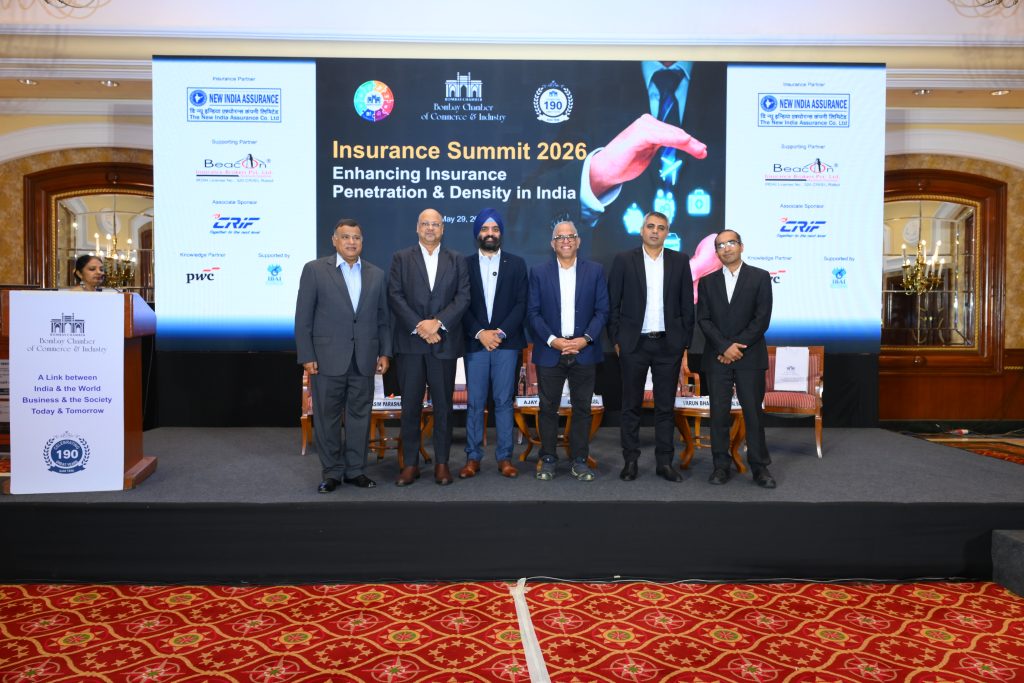
The first panel discussion, “Reimagining the Insurance Industry with Data / AI / ML,” moderated by Asim Parashar, Partner, PwC, brought together Ajay Pal Singh Sethi, Co-founder, Darwix AI; Gopal Balachandran, CFO & Appointed Actuary, ICICI Lombard General Insurance; Abhijeet Gulanikar, Chief Strategy Officer, SBI Life; and Varun Bhalla, Director – Sales, CRIF. The panel examined how Artificial Intelligence, Machine Learning and Generative AI are transforming the insurance value chain through smarter underwriting, enhanced fraud detection, faster claims processing and more personalized customer engagement. The discussion also explored the emergence of Agentic AI, the importance of data quality and governance, cybersecurity considerations, and the need to balance innovation with regulatory responsibility and customer trust. Panellists agreed that AI’s greatest impact will be in improving customer experience, operational efficiency and insurance accessibility at scale.
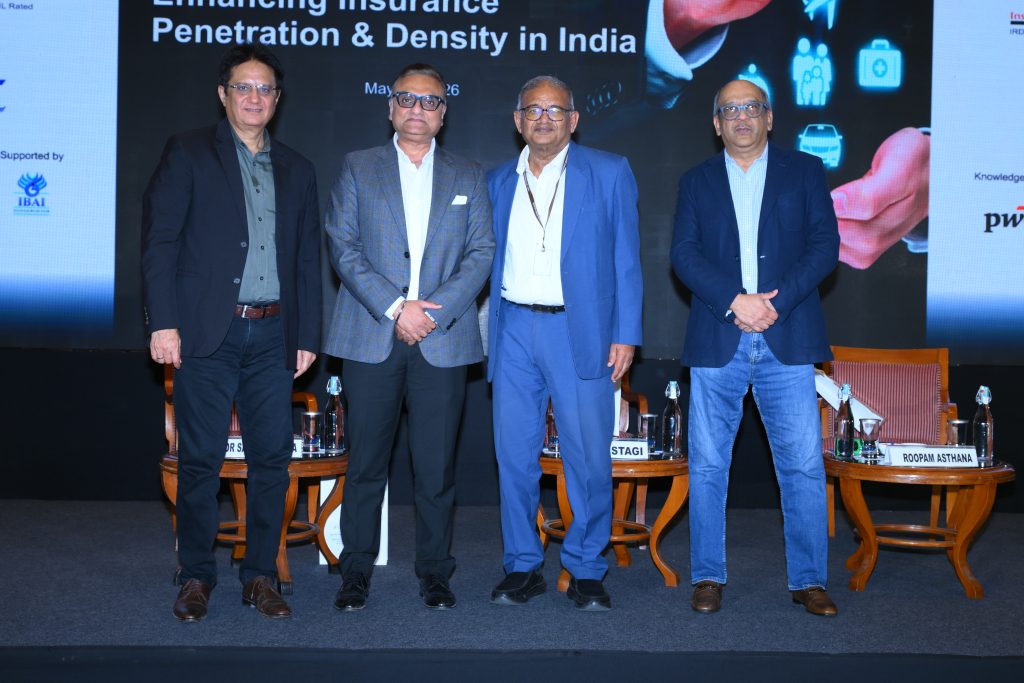
The second panel discussion, “Product Innovation in Insurance,” moderated by Dr. Sandeep Dadia, Co-chair, Insurance Committee, Bombay Chamber and Mentor, Alwrite, featured S.K. Rustagi, Managing Director, Beacon Insurance Brokers Ltd., and Roopam Asthana, CEO & Executive Director, IndusInd Capital Ltd. The panel explored how innovation in insurance products can help bridge India’s protection gaps and improve customer adoption. Discussions focused on opportunities across health, property, liability, marine and personal lines insurance, the need for simpler and more relevant products, the role of technology platforms in accelerating product development, and the increasing importance of customised solutions tailored to emerging customer and industry requirements. The panellists also highlighted the enabling role of regulators in fostering innovation while ensuring customer protection.
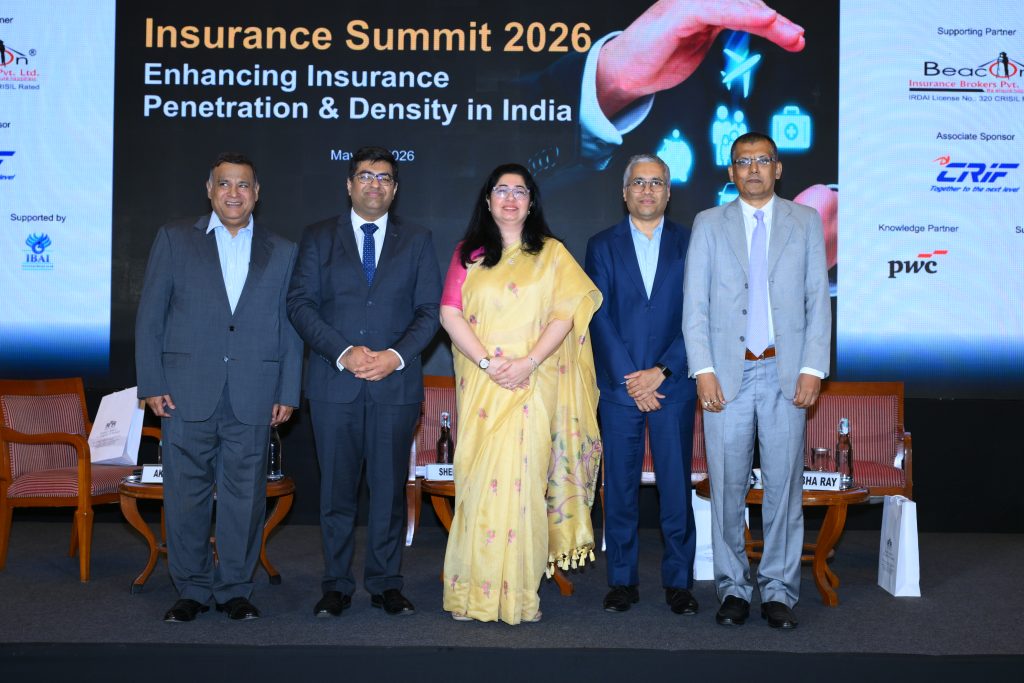
The final panel discussion, “Changing Reinsurance Landscape,” moderated by Akshay Ganatra, Associate Partner, Price Waterhouse & Co LLP, brought together Shefali Sehwani, CEO & Country Manager, Lloyd’s India; Mangesh Patankar, Regional Head – Agriculture, Munich Re; and Amitabha Ray, CEO, Swiss Reinsurance India Branch. The discussion examined how climate change, specialty risks, regulatory developments and global capital flows are reshaping the reinsurance market. Panellists highlighted growing opportunities in cyber, agriculture, infrastructure, energy and catastrophe risk coverage, while discussing the increasing relevance of parametric insurance solutions, sovereign risk-transfer mechanisms and innovative reinsurance structures. The conversation also explored how global reinsurance capacity and evolving regulatory frameworks will be critical in supporting India’s long-term growth and resilience amid increasingly complex and interconnected risks.
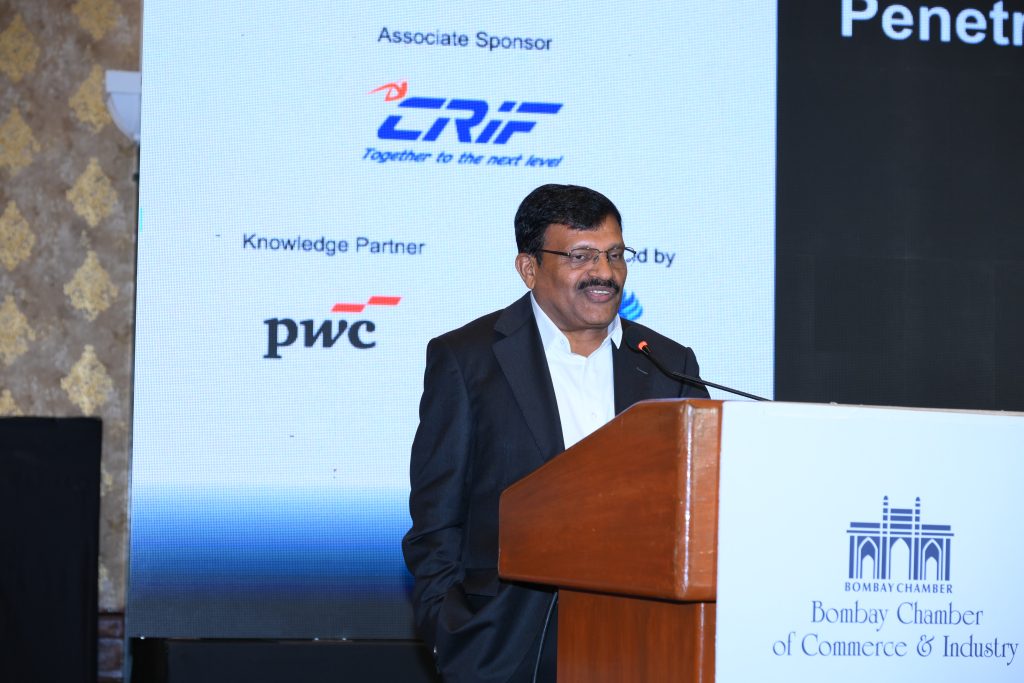
The summit concluded with a strong consensus that achieving the vision of Insurance for All by 2047 will require deeper collaboration between regulators, insurers, reinsurers, technology providers, intermediaries and policymakers. Participants agreed that a customer-centric approach, supported by innovation, technology, transparency and trust, will be essential in building a more inclusive, resilient and financially secure India.
The capital conundrum
The capital conundrum
The geopolitical upheavals since the launch of Operation Epic Fury on February 28 have brought out India’s stark dependency on fuel imports, critical supply chain raw materials, and the “fickleness” of private capital. To be sure, this isn’t the first time that the world (and India) has witnessed this state of affairs as evidenced by numerous such events — both related to energy security as well as financial stability — over the last few decades. Moreover, to India’s advantage, the macroeconomic fundamentals are in far better shape than on the cusp of all such past global crises. Nevertheless, India needs to confront the myriad economic challenges precipitated by this latest disruption with short- as well as long-term measures.
‘FDI trajectory: Gross FDI since 2021 has remained steady and crossed $80 billion in three of the last five years (including FY26). However, net FDI in FY26 was a mere $6.3 billion, indicating a steadily increasing outflow from exits of previous investments and outbound FDI by Indian companies. While successful and profitable exits by foreign investors are actually a positive factor, the increasing trajectory of outbound FDI could signal derisking impulses of ultra-high net worth individuals and Indian corporates.
By Sudhir Kapadia, Senior board advisor and former President, Bombay Chamber of Commerce and Industry
By: Raj Singh
No Comments
Launch of IP Catalyst and Digital Platform during National Conference on “From Patent to Product: Accelerating IP Commercialization in Electronics & IT”
Launch of IP Catalyst and Digital Platform during National Conference on “From Patent to Product: Accelerating IP Commercialization in Electronics & IT”
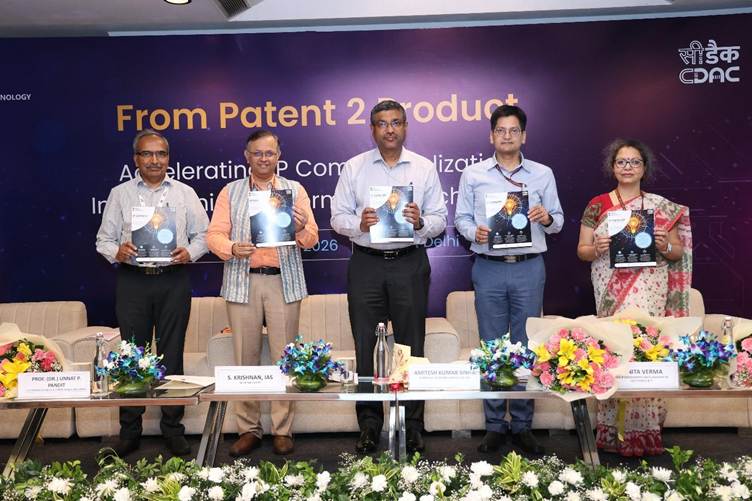
The Ministry of Electronics and Information Technology (MeitY), Government of India, organized a one-day national conference on “From Patent to Product: Accelerating IP Commercialization in Electronics & IT” at India Habitat Centre, New Delhi on 12 May 2026. The conference, brought together policymakers, innovators, industry leaders, startups, MSMEs, academia, researchers, and R&D institutions to deliberate on strengthening India’s intellectual property and innovation ecosystem in the Electronics and IT domain
During the inaugural session, IP Catalyst initiative along with its digital platform (https://cipie.in) was formally launched by Shri S. Krishnan, Secretary, MeitY, in the presence of Shri Amitesh Kumar Sinha, Additional Secretary, MeitY & CEO, India Semiconductor Mission, Smt. Sunita Verma, Group Coordinator & Scientist G, MeitY Prof. (Dr.) Unnat P. Pandit, Registrar of Copyrights, CGPDTM, DPIIT, Ministry of Commerce & Industry, and Shri Sanjay Wandhekar. Sc-G & Centre Head, CDAC Pune along with senior government officials and key stakeholders.
The IP Catalyst
The IP Catalyst initiative is being implemented by CDAC Pune, supported by MeitY that aims to enable comprehensive digital ecosystem supporting the complete innovation lifecycle from research and IP creation to technology transfer, commercialization, and market deployment. It aims to bridge the gap between publicly funded R&D and industry adoption by enabling stronger collaboration among MeitY organizations, startups, MSMEs, academia, and industry.
Key features and support under IP Catalyst include:
- Financial support for IP filing for MeitY organizations and grantee institutions
- International patent filing support for startups and MSMEs
- Unified digital access to technology commercialization and IP support services
- Prior-art search and IP advisory services
- Technology readiness and maturity assessment
- IP valuation and commercialization support
- Technology transfer and licensing facilitation
- Industry–academia–startup collaboration opportunities
- Access to MeitY-supported technologies and indigenous solutions
- Support for prototype-to-product development and market deployment
The Platform (cipie.in)
The digital platform https://cipie.in will function as a unified online gateway for IP and commercialization support services. It will also serve as a national digital repository of technologies developed through MeitY-supported R&D initiatives, enabling startups, MSMEs, and industry to identify deployable indigenous technologies and explore collaboration opportunities.
Shri S. Krishnan, Secretary, MeitY in his inaugural address said ““India today stands at a defining moment in its innovation journey towards the vision of Viksit Bharat. In FY 2024–25, India crossed a historic milestone with 1,10,375 patent applications filed, with the Electronics and IT sector contributing nearly 44% of these filings. In FY 2025–26, patent filings further increased to 1,43,729, with the Electronics and IT domain recording a remarkable 52% rise in patent filings. This clearly reflects the growing strength of India’s technology and innovation ecosystem.” He highlighted that India is at a defining moment in its innovation journey towards the vision of Viksit Bharat, highlighting the significant rise in patent filings in Electronics and IT. He emphasized that IP Catalyst is an important step to ensure innovation translates into technologies, products, and societal impact by accelerating the journey from prototype to product.
Shri Amitesh Kumar Sinha, Additional Secretary, MeitY & CEO, India Semiconductor Mission emphasized the growing importance of strategic technologies and intellectual property in India’s ecosystem, especially in semiconductors, electronics manufacturing, AI, and emerging technologies. He stated that IP Catalyst will enable startups, MSMEs, and industry to access indigenous technologies, collaborate with research institutions, and accelerate innovation-led growth.
Smt. Sunita Verma, Group Coordinator (GC) highlighted that the IP Catalyst initiative is designed to strengthen collaboration among key stakeholders in the innovation ecosystem. She emphasized that the platform will support technology commercialization by enabling structured and digitally accessible IP services for stakeholders.
Prof. (Dr.) Unnat P. Pandit, Registrar of Copyrights, CGPDTM, RoC&GI, DPIIT highlighted that India must now move beyond increasing patent filings and focus on deriving economic and technological value from IP. He stressed the need to shift from a “Patent Filing” mindset to a “Patent → Product → Profit” approach, making patents the foundation for globally competitive products and wealth creation.
The conference featured multiple panel discussions on themes including lab-to-market acceleration, startup and MSME enablement, technology transfer, global patenting strategies, and measuring the real value of IP. The IP Catalyst initiative is aligned with the Government of India’s vision of strengthening indigenous innovation capabilities and enhancing technology commercialization under the vision of Viksit Bharat, and accelerate the lab to market journey in the Electronics and IT domain.
By: Raj Singh
No Comments
National Consultative Workshop on “Strengthening Cyber Security Frameworks for State Data”
National Consultative Workshop on “Strengthening Cyber Security Frameworks for State Data”
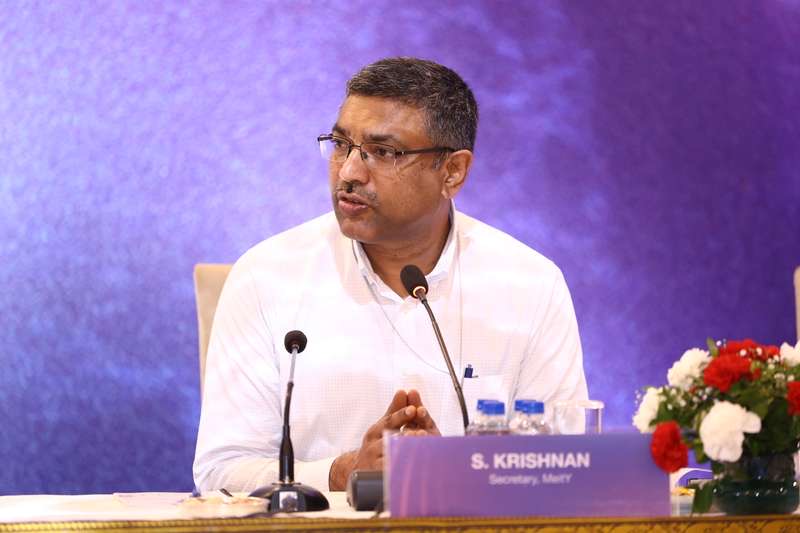
The Ministry of Electronics and Information Technology (MeitY) convened the National Consultative Workshop on “Strengthening Cyber Security Frameworks for State Data” at The Ashok Hotel, New Delhi on 11 May 2026. The Workshop was chaired by Shri S. Krishnan, IAS, Secretary, MeitY, and was attended by Principal Secretaries, Secretaries and senior officers from State and Union Territory Governments, along with representatives from the Indian Computer Emergency Response Team (CERT-In), the National Informatics Centre (NIC), and senior officials of MeitY and NeGD.
The workshop constituted stage II of a four-stage departmental summit on “Strengthening Cyber Security Frameworks for State Data,” initiated by MeitY pursuant to Prime Minister Narendra Modi’s directions at the 5th National Conference of Chief Secretaries. The Workshop, conducted in partnership with NeGD, aims to produce a comprehensive national cybersecurity policy framework for State governments through structured consultations with all 36 States and Union Territories of India.
Addressing the Workshop, Secretary MeitY Shri S. Krishnan underscored the imperative of building a resilient and secure digital governance ecosystem through sustained, coordinated effort between the Government of India and State governments. He emphasised that the protection of citizen data, such as health records, land titles, educational credentials, and welfare databases, held in trust by State governments through the digitisation of public services, is a fundamental governance responsibility, not an administrative formality. With the Digital Personal Data Protection Act, 2023, becoming fully enforceable from 13 May 2027, he noted that cybersecurity preparedness is no longer a best-effort commitment but a legal obligation for every State department that holds citizen data. Genuine cybersecurity resilience, he stressed, rests on institutional commitment and not on technological investment alone.
Shri S. Krishnan, IAS, Secretary, Ministry of Electronics and Information Technology said “India’s digital governance ecosystem must be not only expansive but resilient. The protection of citizen data held in trust by State governments is a governance responsibility and not merely a technical obligation. Every State must put in place the institutional architecture to discharge this responsibility: a notified policy, an empowered CISO, an operational Security Operations Centre, and a Crisis Management Plan that reaches every department. Cybersecurity is not an IT function. It is a governance imperative.”
Secretary Krishnan outlined four foundational requirements for every State and Union Territory: (i) a formally notified Cyber Security Policy, periodically reviewed in alignment with national guidelines; (ii) an appointed and empowered Chief Information Security Officer (CISO) at the State level, with mandate and accountability cascaded to departments; (iii) an operational State Security Operations Centre (SOC), integrated with the Government SOC at NIC; and (iv) a Cyber Crisis Management Plan (CCMP) deployed, tested and known across all departments.
He drew attention to the need for regular review of Disaster Recovery systems and endpoint security, stressing that operational vigilance must be continuous rather than periodic. He reiterated the principle of Secure by Design, that cybersecurity must be embedded from the earliest stages of application development and procurement, not retrofitted after deployment.
Secretary Krishnan highlighted the growing and evolving threat posed by AI-enabled cyber attacks and called for proactive, forward-looking risk management frameworks in State IT systems. He underlined that the human and behavioural dimensions of cybersecurity are as consequential as any technical control. The awareness, discipline and cyber hygiene of government officials who operate public systems are critical determinants of security outcomes, and must be addressed through sustained capacity building, not technology deployment alone.
On building India’s cybersecurity human capital, he highlighted the role of structured training and certification programmes for State officials, delivered through platforms including NeGD, the ISEA Project and iGOTKarmayogi, alongside regular cyber drill exercises to test and strengthen incident response readiness. Secretary Krishnan reiterated the Government of India’s direction to prefer indigenously developed cybersecurity solutions meeting prescribed technical standards, in alignment with the Aatmanirbhar Bharat Abhiyan.
The workshop deliberated upon six national thematic areas identified through the consultative process:
- Risk-based assessments and continuous security monitoring of State IT assets
- Securing State Data Centres (SDCs) and State Wide Area Networks (SWAN) with modern perimeter, endpoint and cloud security controls
- Strengthening incident detection, response and recovery through dedicated SOCs and State Computer Security Incident Response Teams (CSIRTs), under the technical umbrella of CERT-In
- Legacy application modernisation, Secure-by-Design principles and Zero Trust Architecture
- Data classification, compliance with the Digital Personal Data Protection (DPDP) Act, 2023, and alignment with MHA’s National Information Security Policy and Guidelines (NISPG)
- Appointment of CISOs across State departments, capacity building, skilling and citizen cyber awareness programmes
Shri K. K. Singh, Joint Secretary, Cyber Security, MeitY, briefed participants on the four-stage Departmental Summit framework and the national cybersecurity policy architecture, and presented the initiative’s overall mandate and objectives.
Dr. Sanjay Bahl, Director General, CERT-In, presented an overview of the national cybersecurity threat landscape, including sustained ransomware campaigns targeting government data repositories, AI-enabled phishing attacks, supply-chain compromises and risks arising from misconfigured cloud environments. He reaffirmed CERT-In’s commitment to extending technical support, threat intelligence and incident response assistance to State governments and called for every State to establish a formal State CSIRT under CERT-In’s technical umbrella.
Shri V. T. V. Ramana, Head of Group, Cybersecurity, NIC, outlined the security architecture of NIC-managed State systems, including the Government Security Operations Centre (GSOC), VAPT programmes and Zero Trust integration and underscored NIC’s ongoing commitment to being a continuous security partner to State governments.
Ms. Savita Utreja, Group Coordinator, Cyber Security, MeitY, anchored the policy framework briefing in Session II, presenting the evidence base for the six national themes and the regulatory framework governing State cybersecurity obligations, including those arising from the DPDP Act, 2023 and NISPG.
The Workshop also provided a dedicated platform for all participating States and Union Territories to present their current cybersecurity status, operational challenges and priority action areas across the six national themes. These presentations gave the Ministry a direct, granular account of ground-level implementation realities and inputs that will directly shape the national policy framework to be finalised at the August Summit.
Next Steps: State-Level Workshopsand National Summit
Following the National Consultative Workshop, all States and Union Territories will conduct internal State-Level Workshops (Stage III) which is to be completed by June 30, 2026. Thereafter, as an outcome of State-level internal workshops, structured State inputs are to be submitted to MeitY within a stipulated timeline. Based on inputs received from all States/UTs,the comprehensive Final Note on “Strengthening Cyber Security Frameworks for State Data”shall be prepared. The comprehensive final note, including key action points and priority reform areas, will be deliberated in the National Departmental Summit (Stage IV), scheduled for August 2026. A report of the National Departmental Summit (Stage IV), including the key action points and priority reform areas agreed upon by States and Union Territories, will be submitted to the Cabinet Secretariat.