Saturday, September 5, 2026
Blog

 Login
Login
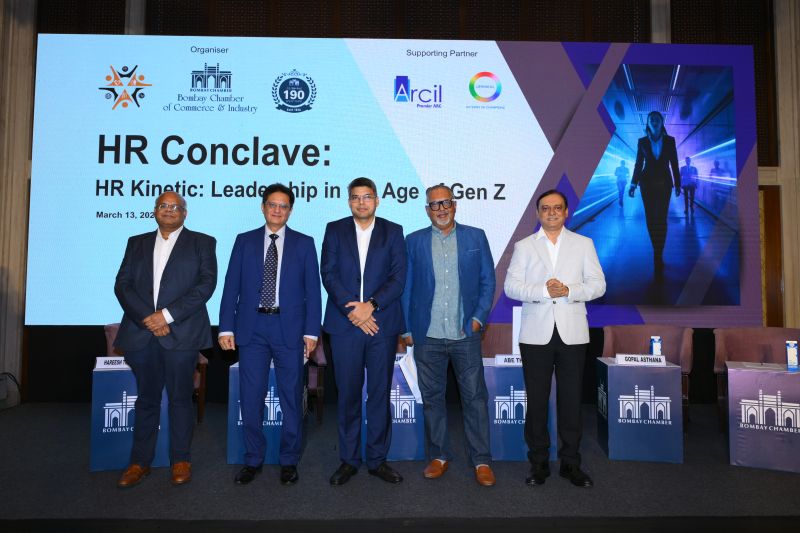
Mumbai: Bombay Chamber of Commerce & Industry recently organised its HR Conclave themed HR Kinetic: Leadership in the Age of Gen Z at Four Seasons Hotel Mumbai.
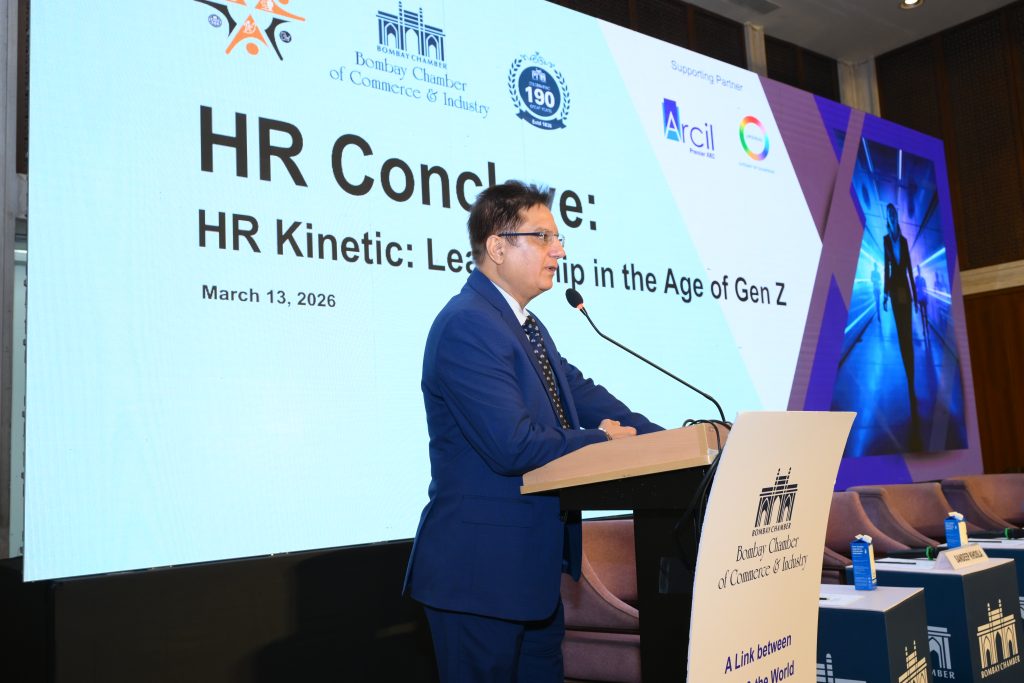
Welcoming the delegates, Sandeep Khosla, Director General, Bombay Chamber said, “Today’s Conclave focuses on one of the most significant workforce shifts of our time—the rise of Gen Z in the workplace. As the first generation of true digital natives, Gen Z is bringing new expectations around purpose, flexibility, inclusion, and impact. They are not only entering organisations but are also reshaping workplace culture and redefining what leadership means in the modern era. For organisations and leaders, this shift requires a fundamental rethink of how we engage, motivate, and develop talent. Leadership today must be more agile, empathetic, and transparent, while workplaces must evolve to foster collaboration, innovation, and well-being. The theme of this conclave—HR Kinetic—reflects precisely this need for dynamism and adaptability. In an environment marked by rapid technological change, evolving workforce expectations, and new models of work, HR leaders play a pivotal role in shaping organisations that are future-ready and resilient.”
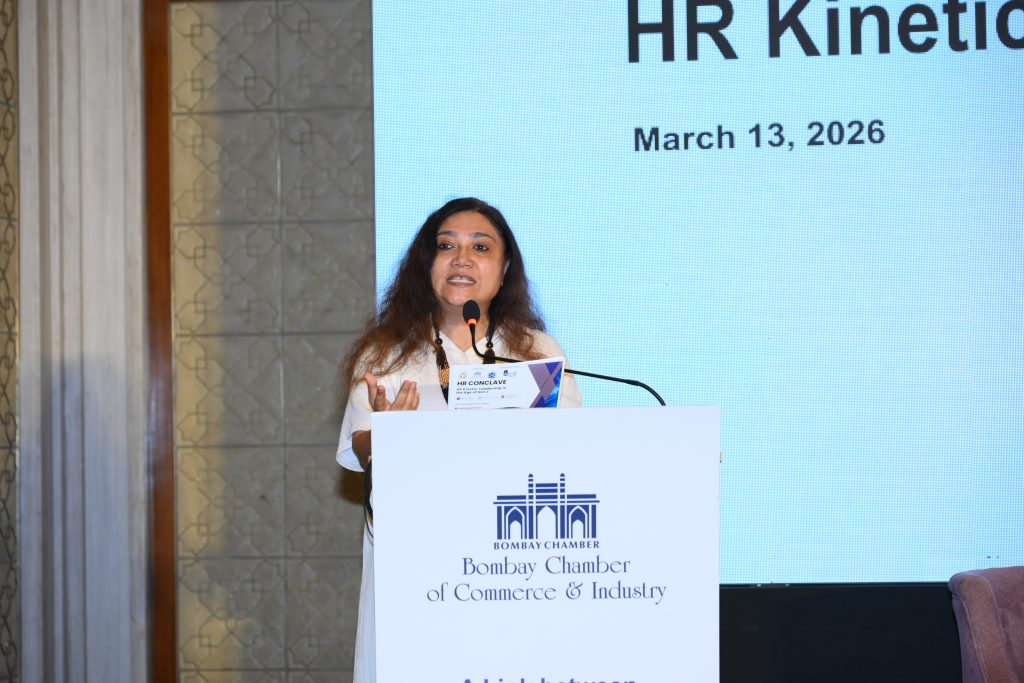
Setting the theme for the Conclave, Ruhie Pande Chairperson, HRM Committee, Bombay Chamber and Group CHRO & CMO, Serentica, Resonia, and Sterlite Electric said, “This is the first time in history that five generations are working together, and they are doing so in a world that is changing faster than any leadership playbook we inherited. the real question for us today is not ‘How do we manage Gen Z?’ It is: How do we lead in a world where Gen Z is setting the pace—and AI is rewriting the rules?”
She observed that the human–machine leadership challenge is where HR must balance efficiency with meaning and fairness. “Where does this leave us—as HR leaders, business leaders, and culture carriers? It tells us three things. First, leadership is shifting from control to context. People don’t need to be told what to do as much as they need to understand why it matters. Second, HR’s role is moving from policy to experience design. Not just benefits and processes—but how work feels on a Monday morning. Third, credibility now comes from learning velocity, not tenure. Gen Z respects leaders who are curious, adaptive, and willing to unlearn. AI can give us data. Gen Z is giving us feedback. The question is whether we are listening—or defending,” she pointed out.
In his keynote address on Redefining Work Culture: How Gen Z is Transforming Well-being, Flexibility, and Authenticity at Work, Dr. Adil Malia, Mentor, HRM Committee, Bombay Chamber and CEO, The Firm stated, “Managing Gen Z (and upcoming generations) is fundamentally different from managing earlier generations; traditional leadership and management styles will not work.
Organisations risk making serious strategic mistakes if they apply old management frameworks to new-generation employees. We should focus on what motivates Gen Z? What do they value at work? How are expectations around leadership, flexibility, and purpose different? What leadership behaviours work best for them?”
To prepare for the Gen Z workforce, Dr Malia said that HR leaders must, “Understand deep generational insights first. Filter and evaluate each organisational system through the lens of Gen Z behaviours and expectations and integrate all systems cohesively rather than implement isolated best practices. Sustainable value creation requires system-wide integration, not random adoption of tools or trends. Cultural and systemic change will not happen automatically. Leaders themselves are responsible—it cannot be delegated, wished for, or spoken into existence. Real change requires deliberate action, effort, and ownership from leadership and leaders must actively drive transformation to make organisations future ready.”
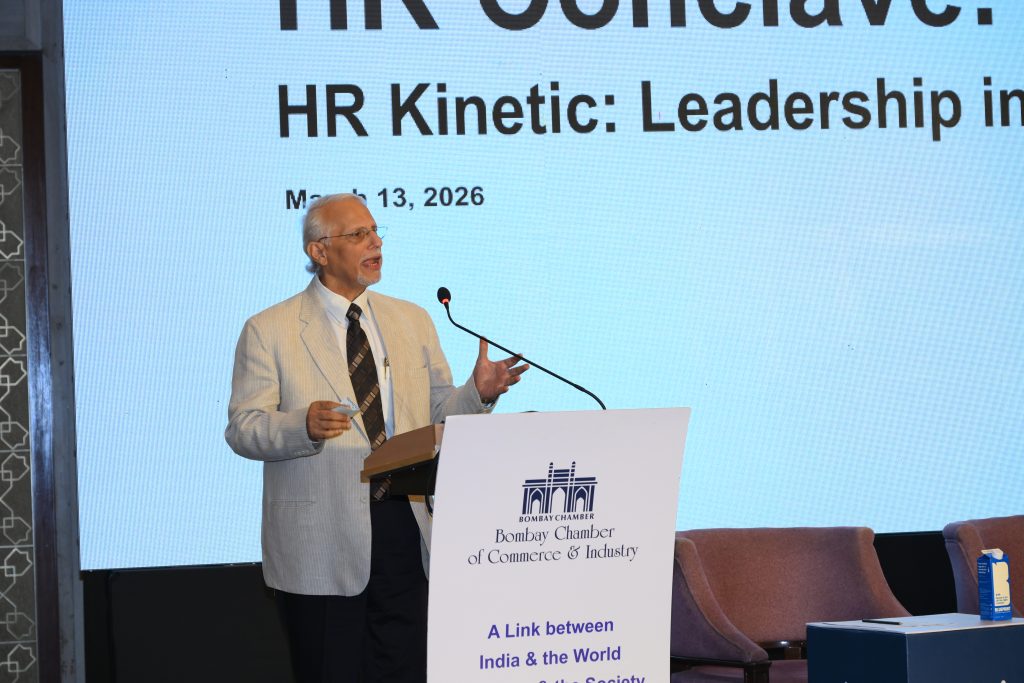
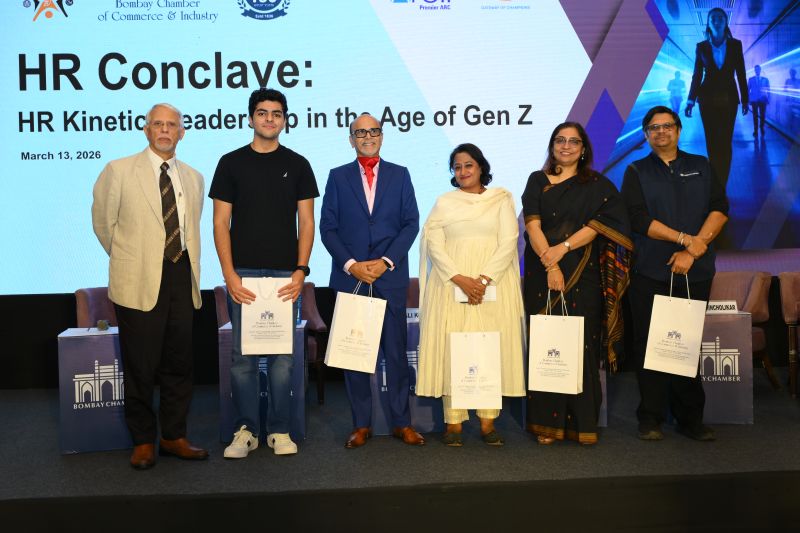
This was followed by a panel discussion on Leading with Authenticity: What Leaders expect from Gen Z & Vice versa. The panel was moderated by Dr. Sanjay Muthal, Member, HRM Committee, Bombay Chamber, and CEO, Argolynx Consulting LLP and the panelists included Shefali Kohli, CHRO – Chemicals, Filament Yarn & Insulators, Aditya Birla Group; Reena Tyagi, Chief People &
Organisation Officer, Generali Central Life Insurance and Amit Chincholikar, Group President – HR, Hinduja Group Ltd. The panel highlighted the core leadership challenge of understanding who Gen Z really are and adapting leadership and supervision styles accordingly. The members observed that what Gen Z truly seek is Authenticity, Trust and Transparency.
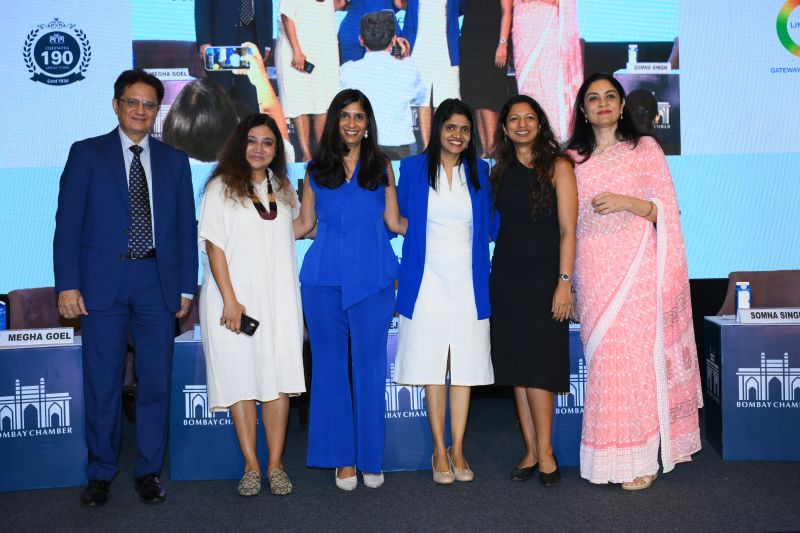
The second panel discussion deliberated on Empowering Gen Z: Technology, Hybrid Work and the Skills for Tomorrow. The moderator was Ruhie Pande and the panelists were Sejal Mody, CHRO, Akasa Air; Sanjivani Sadani, Chief People Officer,
Cipla; Megha Goel, CHRO, Godrej Properties Ltd and Somna Singh, Country HR Head, Bank of America Merrill Lynch. The key takeaways were that Gen Z is a catalyst, not a challenge. That AI must enhance judgement, inclusion and empathy and learning must be relevant, short, and human. The panel concluded that flexibility, purpose, and trust are universal—not generational and that organisations must evolve with Gen Z, not design for Gen Z alone.
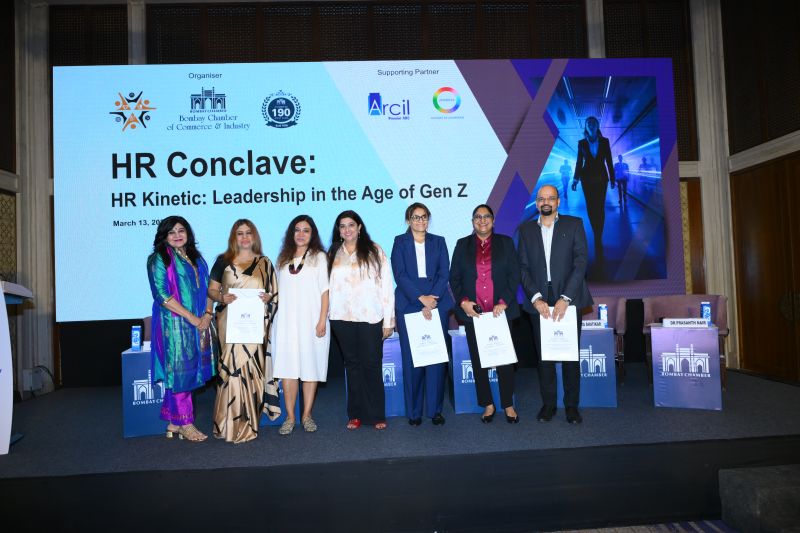
This was followed by The Great HR Debate on AI a Tool for Business Value Creation Or Disruption. The debate was moderated jointly by Dr. Tanaya Mishra, Member, HRM Committee, Bombay Chamber & Global CHRO, In-solution Global Ltd and Lucky Kulkarni, Member, HRM Committee, Bombay Chamber, Group CHRO & Member Management Committee, Jeena & Co.
The panel members were Rita Verma, Chief Talent Officer, Omnicom Media India; Harsha Almad, VP, India Consulting Hub Lead, Wipro; Sareeta Bhatikar, CHRO, Jio-bp and Dr. Prasanth Nair, Member HRM Committee, Bombay Chamber & CHRO, Crompton Greaves Consumer Electricals Ltd.
The debate was followed by a CEO session moderated by Hareesh Tibrewala, Founder and CEO, Manabu AI Services and the panel included Pankaj Gupta, MD & CEO, Godrej Finance; Abe Thomas, CEO – Music Broadcast Ltd. and Gopal Asthana, CEO, Tata CLiQ.