
Friday, October 9, 2026
Blog

 Login
Login
Mumbai, May 29, 2026: The Bombay Chamber of Commerce and Industry hosted the Insurance Summit 2026: Enhancing Insurance Penetration & Density in India in Mumbai, bringing together regulators, industry leaders, insurers, reinsurers, technology experts and policymakers to discuss the future of India’s insurance sector and the collective journey towards the vision of Insurance for All by 2047.
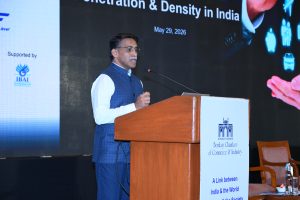
Delivering the keynote address on “The Regulator’s Vision for Insurance 2030,” Shri Swaminathan Iyer, Member-Life, IRDAI, emphasized that Insurance for All 2047 is not merely a regulatory ambition but an industry-wide mission to ensure that every citizen has access to appropriate life, health and property insurance cover while every enterprise is supported by adequate risk protection.
Underscoring the need to move beyond traditional penetration metrics, Shri Iyer called for greater focus on meaningful coverage, policy persistency, customer outcomes and trust. He outlined the Five As that will be critical to achieving the vision—Awareness, Accessibility, Affordability, Assurance and Accountability. He stressed the need for simpler products, greater transparency, improved customer engagement and a policyholder-first approach across product design, distribution, servicing and claims management.
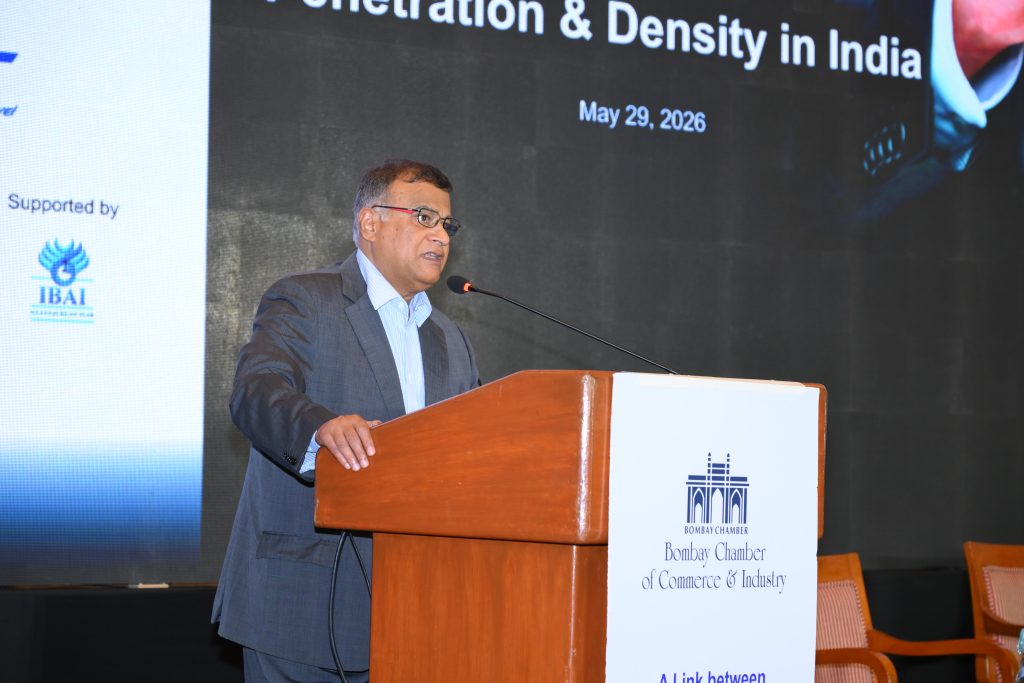
Earlier, welcoming delegates, Praveen Vashishta, Member, BFSI Committee, Bombay Chamber and Former Co-founder, Howden Insurance Brokers India & Chairman Howden Asia, highlighted the significant protection gaps that continue to exist in India. He noted that nearly half of India’s population remains outside the health insurance net, while almost 93% of the country’s exposure to natural catastrophes remains uninsured. Describing the protection gap as a national priority, he emphasized the critical role of technology, product innovation and reinsurance in expanding insurance penetration and strengthening financial resilience.
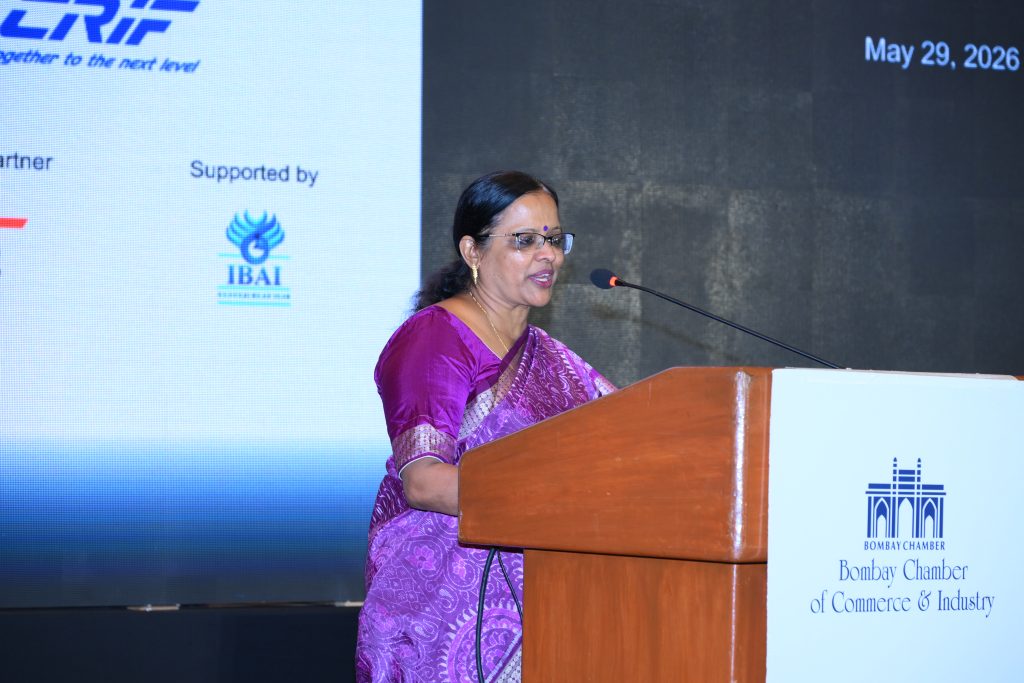
In her special address, Girija Subramanian, Chairman-cum-Managing Director, New India Assurance and Board Member, Bombay Chamber, called for a shift from reactive disaster funding to proactive risk-transfer mechanisms. She highlighted the need for innovative solutions such as national catastrophe pools, cyber insurance, parametric insurance, infrastructure and surety bonds, and emerging liability covers to build resilience against evolving economic, climate and digital risks.
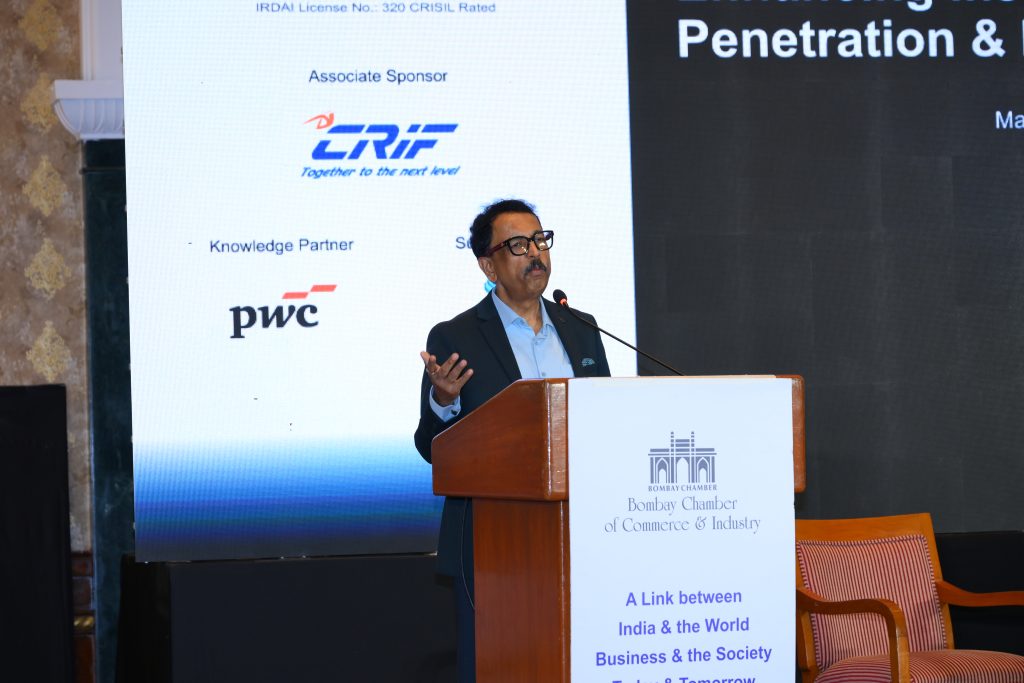
Delivering the Strategic Insights Address, Amit Roy, Partner and Leader – Insurance & Allied Businesses, PwC India, highlighted the significant progress made by the Indian insurance industry in expanding access, supporting financial inclusion and strengthening customer protection. He called for greater trust across the insurance ecosystem, enhanced public awareness of insurance, and stronger recognition of the industry’s contribution to economic development, employment generation and social security.
The summit featured three high-impact panel discussions that explored the opportunities and challenges shaping the future of the insurance sector.
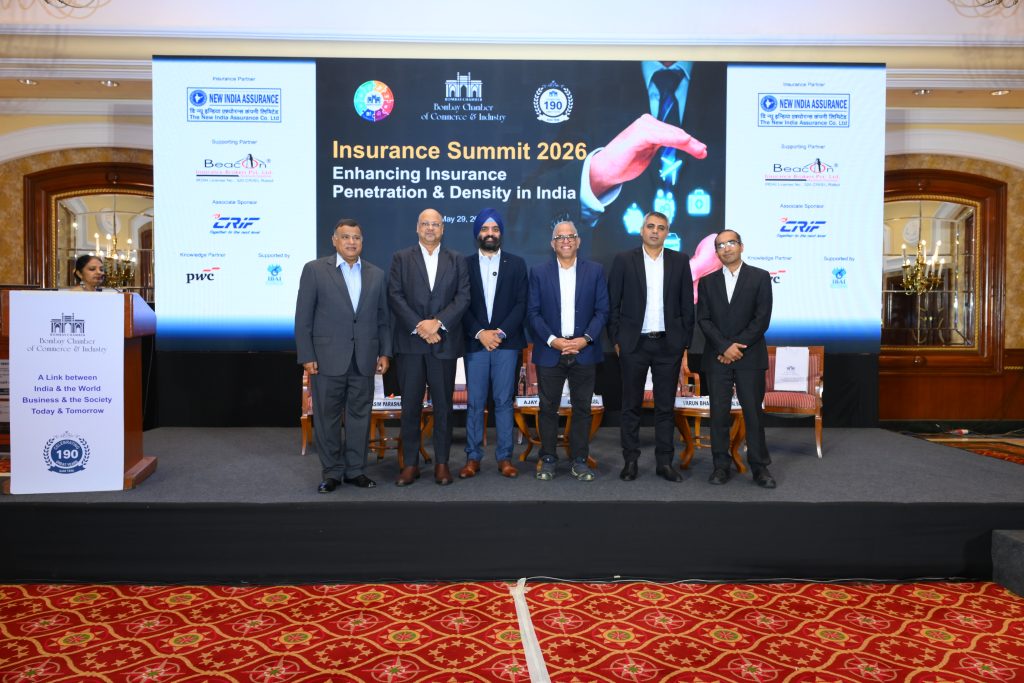
The first panel discussion, “Reimagining the Insurance Industry with Data / AI / ML,” moderated by Asim Parashar, Partner, PwC, brought together Ajay Pal Singh Sethi, Co-founder, Darwix AI; Gopal Balachandran, CFO & Appointed Actuary, ICICI Lombard General Insurance; Abhijeet Gulanikar, Chief Strategy Officer, SBI Life; and Varun Bhalla, Director – Sales, CRIF. The panel examined how Artificial Intelligence, Machine Learning and Generative AI are transforming the insurance value chain through smarter underwriting, enhanced fraud detection, faster claims processing and more personalized customer engagement. The discussion also explored the emergence of Agentic AI, the importance of data quality and governance, cybersecurity considerations, and the need to balance innovation with regulatory responsibility and customer trust. Panellists agreed that AI’s greatest impact will be in improving customer experience, operational efficiency and insurance accessibility at scale.
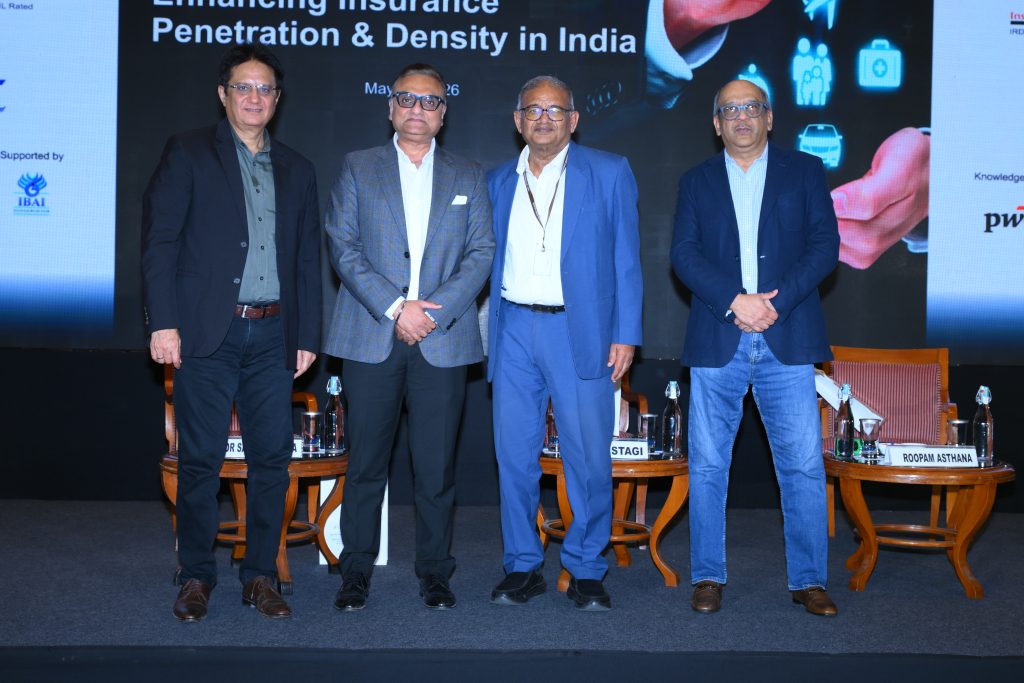
The second panel discussion, “Product Innovation in Insurance,” moderated by Dr. Sandeep Dadia, Co-chair, Insurance Committee, Bombay Chamber and Mentor, Alwrite, featured S.K. Rustagi, Managing Director, Beacon Insurance Brokers Ltd., and Roopam Asthana, CEO & Executive Director, IndusInd Capital Ltd. The panel explored how innovation in insurance products can help bridge India’s protection gaps and improve customer adoption. Discussions focused on opportunities across health, property, liability, marine and personal lines insurance, the need for simpler and more relevant products, the role of technology platforms in accelerating product development, and the increasing importance of customised solutions tailored to emerging customer and industry requirements. The panellists also highlighted the enabling role of regulators in fostering innovation while ensuring customer protection.
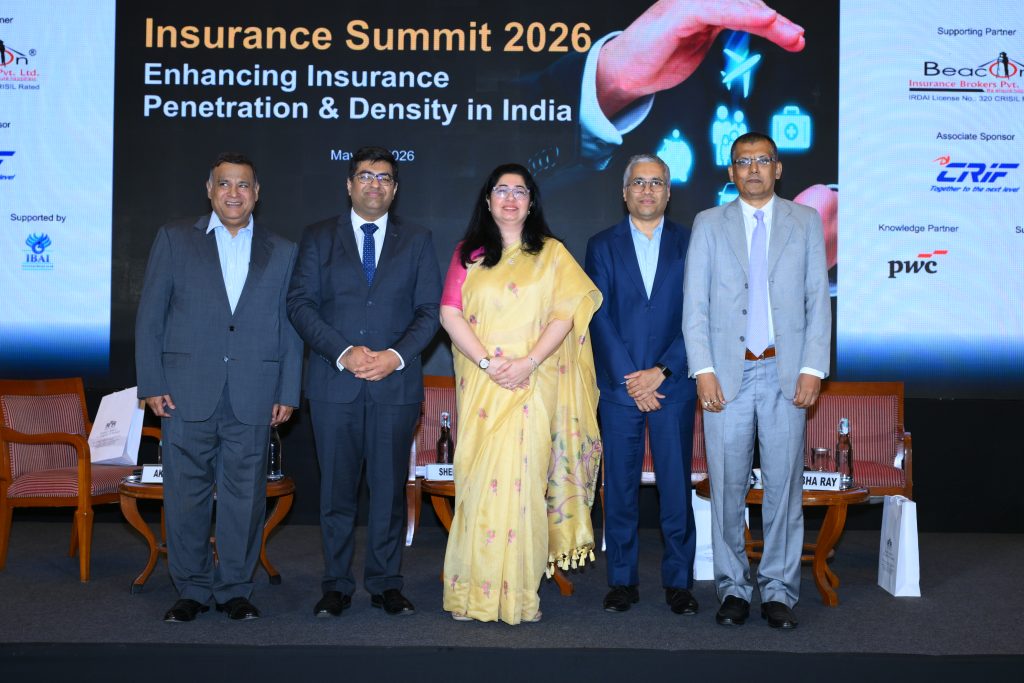
The final panel discussion, “Changing Reinsurance Landscape,” moderated by Akshay Ganatra, Associate Partner, Price Waterhouse & Co LLP, brought together Shefali Sehwani, CEO & Country Manager, Lloyd’s India; Mangesh Patankar, Regional Head – Agriculture, Munich Re; and Amitabha Ray, CEO, Swiss Reinsurance India Branch. The discussion examined how climate change, specialty risks, regulatory developments and global capital flows are reshaping the reinsurance market. Panellists highlighted growing opportunities in cyber, agriculture, infrastructure, energy and catastrophe risk coverage, while discussing the increasing relevance of parametric insurance solutions, sovereign risk-transfer mechanisms and innovative reinsurance structures. The conversation also explored how global reinsurance capacity and evolving regulatory frameworks will be critical in supporting India’s long-term growth and resilience amid increasingly complex and interconnected risks.
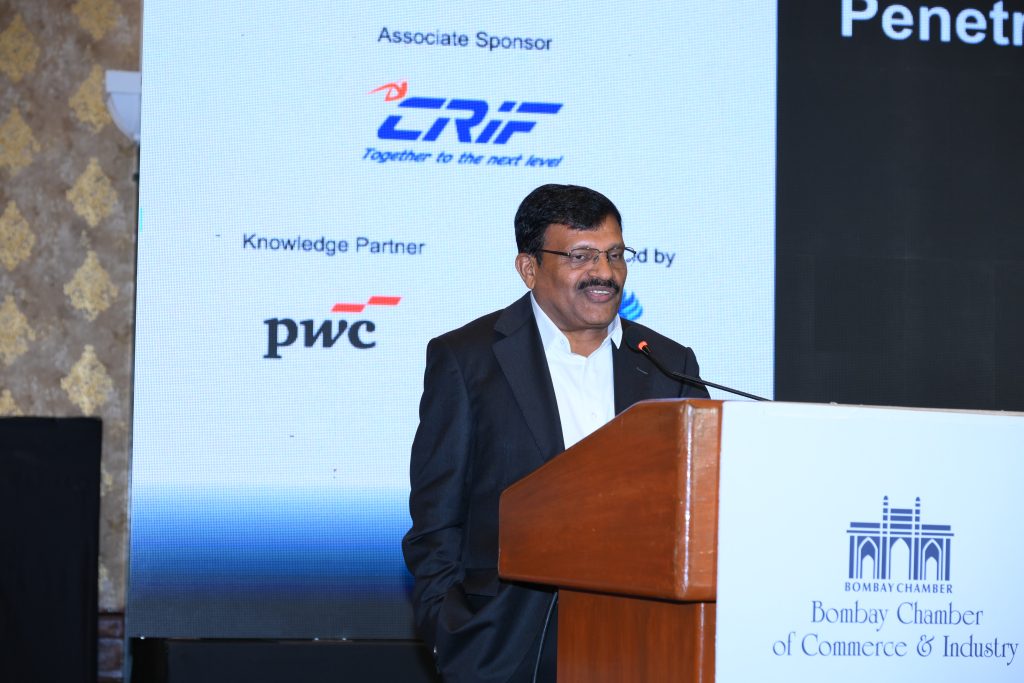
The summit concluded with a strong consensus that achieving the vision of Insurance for All by 2047 will require deeper collaboration between regulators, insurers, reinsurers, technology providers, intermediaries and policymakers. Participants agreed that a customer-centric approach, supported by innovation, technology, transparency and trust, will be essential in building a more inclusive, resilient and financially secure India.